
Ophiognomonia
Ophiognomonia
Ophiognomonia is a genus of ascomycete fungi known to cause various diseases in woody plants, including leaf spots, anthracnose, and cankers on branches.
What the section contains
Ophiognomonia
The fungus typically completes its life cycle by overwintering in fallen leaves or infected bark, where it forms specialized structures called perithecia.
During the growing season, particularly under favorable weather conditions, it releases spores that infect new growth, starting the cycle anew.
The pathogen utilizes enzymes to degrade plant tissue, which results in the characteristic necrotic lesions observed on affected hosts.
Different species within the genus are highly host-specific, primarily targeting temperate deciduous trees such as maples, birches, and alders.
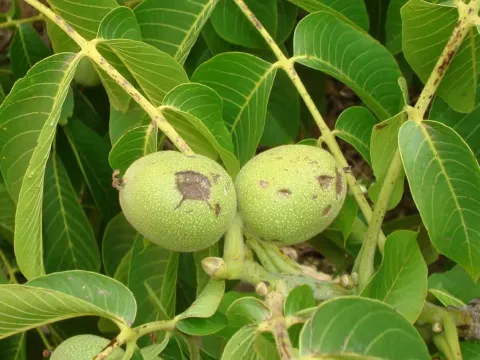
Symptoms often appear as irregular brown or black spots on foliage, which may be surrounded by a chlorotic or yellow halo as the leaf tissue dies.
Cankers often develop on twigs and smaller branches, appearing as sunken, discolored areas that may eventually girdle the stem, causing dieback.
Infected leaves may curl, shrivel, and drop prematurely, leading to early defoliation that can occur mid-summer under severe infection pressure.
Tiny, dark-colored fruiting bodies (perithecia) can often be seen with a hand lens on the surface of infected leaves or bark tissue.
- Dark necrotic spots on leaf blades.
- Premature yellowing and leaf abscission.
- Sunken lesions or cankers on shoots.
- Dieback of tips and younger branches.
Moisture is the primary driver for Ophiognomonia development; frequent rainfall and high humidity provide the necessary environment for spore germination.
The disease is most prevalent during cool and wet springs, as these conditions favor the maturation and release of fungal spores.
Dense plantings with poor air circulation create stagnant microclimates where leaf wetness persists, allowing the fungus to colonize plant tissues easily.
Stressed or damaged trees are more susceptible to infection, as the pathogen often gains entry through minor wounds or natural openings like stomata.
Temperatures ranging from 15°C to 22°C are ideal for the rapid growth of the fungus during the active growing season.
The disease negatively impacts the host by reducing the total leaf area, which decreases the tree's overall photosynthetic capacity and energy reserves.
Severe infections can lead to the loss of aesthetic value in ornamental trees, making them unsuitable for parks and residential landscaping.
Branch cankers interfere with nutrient and water transport, potentially leading to the decline and death of individual limbs or the entire tree.
Recurring infections weaken the plant's immune system, making it more prone to secondary attacks by pests and opportunistic pathogens.
In forest management, the disease can cause stunted growth and reduced timber quality, leading to significant economic losses for producers.
Sanitation is the most effective management strategy; removing and destroying fallen leaves reduces the primary inoculum for the following year.
Pruning out and disposing of infected twigs and branches helps prevent the spread of the pathogen within the canopy of an individual tree.
Fungicidal treatments can be applied preventatively in early spring, particularly during bud break, to protect new growth from infection.
Good cultural practices, such as proper spacing and thinning, improve air movement and reduce the duration of leaf wetness in the canopy.
Maintaining tree vigor through appropriate fertilization and watering helps plants better withstand the stress caused by fungal infestations.