
Ophiosphaerella
Ophiosphaerella
The disease is caused by fungi belonging to the genus Ophiosphaerella, notably Ophiosphaerella korrae. These pathogens are ascomycetes that specifically target the roots and crowns of various turfgrass species.
What the section contains
Ophiosphaerella
The fungus acts as a parasite, infecting root tissues and spreading through the soil. It forms a network of mycelium that gradually colonizes the plant, depriving it of the ability to absorb essential nutrients and moisture.
Survival of the pathogen is ensured by the formation of specialized fruiting bodies known as pseudothecia. These structures allow the fungus to persist in plant debris and soil even when environmental conditions are not optimal for active growth.
The pathogen's life cycle is strictly dependent on soil temperature and moisture levels. Once established, it can remain dormant during harsh conditions and resume activity as soon as the environment becomes favorable.
Dissemination occurs through the movement of infested soil, water runoff, or equipment. Because the fungus thrives in the root zone, it is often difficult to eradicate completely once it has colonized a turfgrass area.
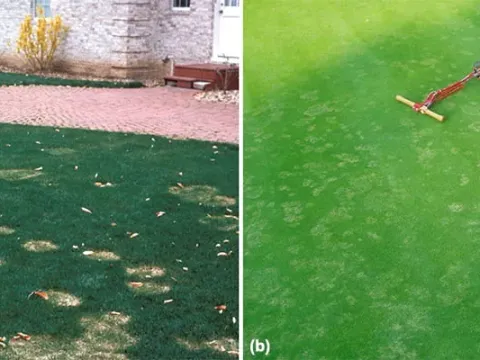
Initial symptoms of Ophiosphaerella infection manifest as localized chlorotic patches on the turf surface. Over time, these patches progress from yellow to brown or bronze hues.
A distinctive feature of the disease is the formation of circular or semi-circular patches, often resembling fairy rings. As the disease progresses, the center of these patches may show thin, dead, or dying turf.
Root system examination typically reveals browning or blackening of the roots. Affected plants have a compromised root structure, making them easy to dislodge or pull from the soil compared to healthy plants.
As the patches expand, the turf density decreases significantly. Secondary weeds often infiltrate these thinning areas, further complicating the appearance of the lawn.
In many cases, the disease symptoms are most visible during transition seasons, such as late spring or early autumn, when fluctuations in weather stress the turfgrass.
The disease is highly favored by cool, wet weather conditions. Prolonged moisture in the root zone provides the perfect environment for the germination of fungal spores.
Poor soil drainage is a critical risk factor. Lawns situated in low-lying areas or with compacted soil profiles are significantly more prone to severe outbreaks of the disease.
Excessive nitrogen fertilization often exacerbates the issue by encouraging soft, succulent growth that is more susceptible to fungal infection. Maintaining a balanced nutrient program is vital for turf health.
Cultural practices such as improper mowing heights can cause plant stress. When turf is mown too short, the roots become more vulnerable to colonization by soil-borne pathogens like Ophiosphaerella.
The movement of contaminated equipment between different lawn areas is a major cause of disease spread. Without proper sanitation, a small infestation can quickly cover an entire turf field.
The primary impact of the disease is the severe degradation of turf quality, which is particularly detrimental to high-value landscapes and sports surfaces.
Infected areas lose their drought tolerance, making them susceptible to rapid decline during hot or dry spells. Even with irrigation, damaged roots cannot effectively sustain the canopy.
Financial losses are substantial, stemming from the need for fungicide applications, potential overseeding, or even total renovation of the affected turf area.
The disease creates openings for invasive weeds to take over, which alters the composition of the lawn and increases long-term maintenance costs and labor requirements.
In severe cases, the visual impact of patch-like lesions can result in significant property devaluation or loss of utility for sporting venues.
Management focuses on improving soil aeration and drainage to reduce the prolonged moisture that the fungus requires to thrive. Regular core aeration is highly recommended.
Balanced fertilization is essential. Avoid high nitrogen levels and ensure that potassium and phosphorus are applied to strengthen plant tissues and increase natural resistance.
Strict sanitation protocols must be followed for all turf maintenance equipment. Cleaning machinery after working in infected areas is the best way to prevent the movement of pathogens.
Fungicides can provide control when applied preventatively. It is crucial to monitor weather patterns and apply treatments at the beginning of the infection window for the best efficacy.
- Maintain proper mowing heights to reduce plant stress.
- Water deeply and infrequently rather than shallowly.
- Monitor soil pH and adjust as necessary for optimal grass growth.
- Choose resistant turfgrass cultivars when overseeding or installing new lawns.