
Ophiosphaerella patch
Ophiosphaerella agrostidis
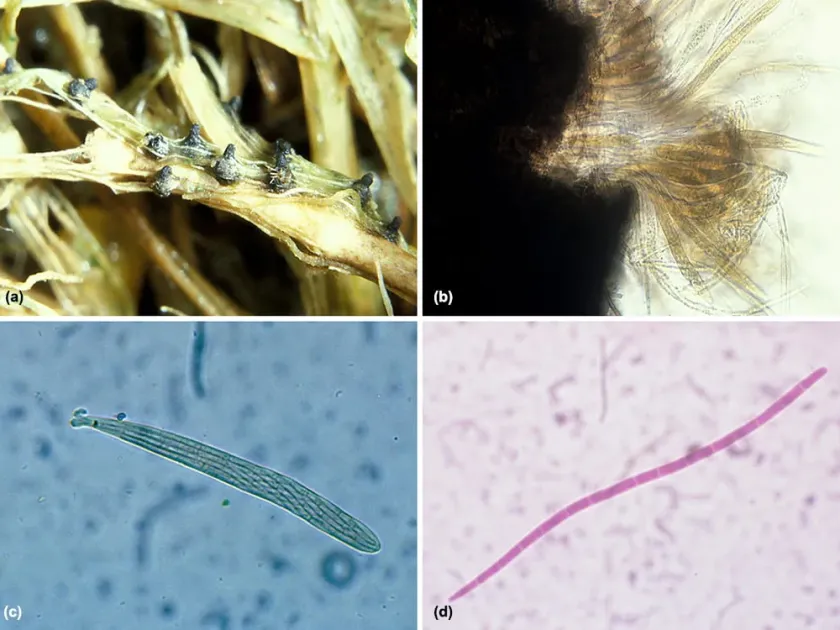
Description
Symptoms
Symptoms typically start as small, yellowed spots that progressively develop into larger, circular patches or arc-shaped patterns on the turf.
Inside these patches, the grass turns a tan or light brown color as it dies off, often resulting in bare soil areas that are difficult to recover.
The roots of affected plants show distinctive signs of rot, appearing darkened and stunted when compared to the white, healthy roots of unaffected grass.
As the disease progresses, these patches can merge, leading to large, unsightly areas of dead turf that severely detract from the lawn's appearance.
Unlike some other patch diseases, Ophiosphaerella patch symptoms often become more evident under specific environmental stress factors during the growing season.
Pathogen
The causal agent of this disease is the fungus Ophiosphaerella agrostidis, a soil-borne pathogen known for infecting the roots and rhizomes of various turfgrass species.
This fungus survives in the soil and organic matter, colonizing the root system and causing a progressive decay that hinders nutrient and water uptake.
Ophiosphaerella agrostidis is primarily spread through the movement of infested soil or plant debris by mowing equipment, landscape tools, or heavy rain.
The pathogen is known for its ability to persist in the root zone, making it a challenging disease to eradicate once it becomes established in the lawn.
It specifically targets the vascular tissue of the plants, causing the roots to rot and eventually leading to the death of the entire plant structure.
Conditions for development
The development of the disease is heavily favored by prolonged periods of cool, wet weather, which provide ideal conditions for fungal growth.
Poor soil drainage and high soil moisture levels significantly increase the risk of infection, as waterlogged conditions weaken the grass roots.
A thick accumulation of thatch prevents proper water infiltration and traps humidity, creating a perfect habitat for the fungus to thrive.
Management practices such as frequent, excessively close mowing can stress the turf, reducing its natural resistance to fungal invasion.
Improper fertilization, particularly excessive nitrogen during vulnerable periods, can also encourage the susceptibility of turfgrass to this fungal pathogen.
Why it matters
The primary damage caused by this disease is the destruction of the turf root system, resulting in severe aesthetic and functional loss of the lawn.
On high-value turf areas such as golf course greens or professional sports fields, an outbreak can lead to significant financial loss and loss of playability.
The disease-induced dead spots are prone to weed infestation, further compromising the quality and uniformity of the grass surface.
Repairing damaged areas often involves expensive overseeding, sod replacement, or specialized soil treatments to clear the infection.
Chronic infestations can force a complete renovation of the turfgrass, as the pathogen remains active in the soil for extended periods.
Protection
Effective management begins with improving soil drainage and ensuring that irrigation is applied deeply and infrequently to avoid surface saturation.
Regular core aeration is critical to reduce soil compaction and thatch depth, promoting stronger root growth and faster drying of the soil surface.
Maintaining a balanced nutritional program and monitoring soil pH levels helps create an environment that is less conducive to the pathogen.
Fungicides can be used as a preventative or curative measure, but they must be applied at the correct time and at professional dosage rates for optimal results.
Selecting turfgrass varieties that show higher tolerance to the disease is a key long-term strategy for reducing the impact of Ophiosphaerella patches.
Discussion
No discussions yet — be the first.