
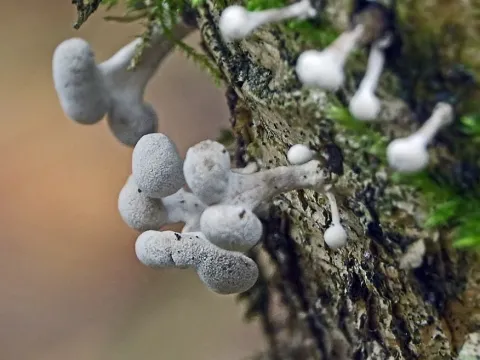
Onygena
Onygena
The genus Onygena consists of specialized ascomycetous fungi known for their unique ability to degrade keratin-based substances.
What the section contains
Onygena
These fungi act as obligate keratinophiles, utilizing specific enzymatic pathways to break down tough proteins found in hair, nails, and horns.
The life cycle involves the development of specialized fruiting bodies that typically appear as stalked heads, facilitating spore dispersal.
Unlike parasitic fungi, Onygena species are primarily saprotrophic, focusing their biological activity on dead animal tissues in soil or debris.
Research into these fungi highlights their significant role in the natural decomposition cycle, contributing to the recycling of nitrogenous compounds.
Successful growth of Onygena depends heavily on the presence of keratinous substrates, which provide the essential nutrients for their development.
The fungi thrive in environments with moderate temperatures and stable moisture levels, protecting their delicate structures from desiccation.
Soil environments or shaded areas rich in organic debris are typical habitats where these fungi establish their colonies over time.
Dispersal occurs via spores, which can be distributed by air currents or through the movement of soil-dwelling organisms within the ecosystem.
Environmental stability is a key prerequisite, as the fungi require time to produce the necessary enzymes for breaking down complex protein matrices.
Onygena does not pose a threat to agricultural crops, as it does not infect or cause disease in living plant tissues or vegetables.
The presence of these fungi in the soil is generally considered a neutral or beneficial aspect of natural decomposition processes.
Farmers and agronomists do not need to implement protective measures, as these fungi do not interfere with standard crop production practices.
Occasional harm may be limited to damage on natural fibers or animal-based products stored in overly humid and improper conditions.
Overall, Onygena serves as a biological indicator of organic decomposition activity rather than as a pathogen of economic concern in farming.