
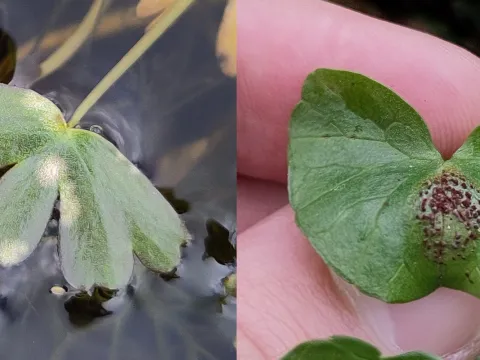
Onygenaceae fungi
Onygenaceae
The family Onygenaceae represents a group of ascomycetous fungi known for their specialized ability to colonize various organic substrates. In agricultural settings, they are often identified in the context of soil-borne pathogens that thrive on weakened plant tissues.
What the section contains
Onygenaceae fungi
The pathogen is characterized by the formation of cleistothecia—closed fruiting bodies—which protect the spores from external environmental stressors. This morphological feature is essential for the survival and long-term persistence of the fungus in the field.
These fungi exhibit a versatile lifestyle, oscillating between saprotrophic feeding on dead matter and parasitic growth on living host plants. Their enzymatic toolkit allows them to break down complex organic compounds, including structural proteins and cell wall polysaccharides.
Pathogenesis usually begins with the colonization of injured or stressed plant tissues. Once inside, the fungal mycelium spreads systemically, disrupting normal physiological processes and causing localized damage that can progress to generalized plant decay.
Reproductive success is guaranteed by the production of both asexual conidia and sexual ascospores. This dual-reproduction strategy enables rapid dispersal during favorable weather conditions and creates a resilient inoculum bank in the soil environment.
Environmental conditions are the primary drivers of Onygenaceae outbreaks. High soil moisture levels and frequent rainfall create the necessary humidity for spore germination and rapid mycelial spread across the leaf and root surfaces.
Optimal temperatures for active fungal development typically range from 15°C to 25°C. During these conditions, the incubation period of the disease is significantly shortened, leading to rapid disease progress in densely populated agricultural fields.
The accumulation of crop residues provides a perfect substrate for the fungus to multiply before attacking healthy vegetation. Poor field sanitation practices, such as leaving crop debris on the surface, directly contribute to higher infection pressures.
Soil pH and fertility levels also influence the susceptibility of crops to infection. Plants grown in stressed or nutrient-deficient soil often lack the necessary defense mechanisms to withstand fungal invasion, making them more prone to colonization.
Dissemination is largely facilitated by the movement of contaminated soil. Farm machinery, irrigation runoff, and even workers' boots can transport spores across long distances, ensuring the fungus spreads into previously healthy plots.
The damage caused by Onygenaceae fungi is primarily manifested through the suppression of growth and development. Infection of the root system impairs water and nutrient uptake, leading to chlorosis, stunted growth, and ultimate loss of vigor.
As the disease progresses, visible necrosis appears on the leaves, stems, and fruits. These lesions not only compromise the structural integrity of the plant but also create entry points for opportunistic bacterial infections, leading to soft rots.
Crop quality is significantly reduced by the presence of these fungi. Infected harvest yields low-quality produce that is unsuitable for long-term storage, as the fungi continue to develop on stored crops, leading to severe post-harvest losses.
Yield reductions are often catastrophic if the infection occurs during critical growth stages such as flowering or grain filling. The cumulative impact of reduced photosynthesis and disrupted vascular transport leads to a drastic drop in total output.
Economic consequences extend beyond immediate crop loss to the long-term management of infested fields. Once established, these fungi are difficult to eradicate, often necessitating changes in cropping patterns or heavy investments in fungicide treatments.
Effective management begins with robust cultural practices, including long-term crop rotation. By interrupting the life cycle of the pathogen, farmers can significantly reduce the soil inoculum density and suppress subsequent disease outbreaks.
Deep tillage helps to bury crop residues, accelerating their decomposition by beneficial microorganisms and limiting the surface area available for fungal growth. This is a fundamental preventive measure in most modern agricultural systems.
Chemical control should be implemented based on careful monitoring and the use of site-specific diagnostic tools. Systemic fungicides, particularly those targeting ascomycetes, are effective when applied at the first signs of infection to stop mycelial spread.
- Selecting disease-resistant or tolerant crop varieties.
- Sanitizing all agricultural equipment to prevent the cross-contamination of fields.
- Maintaining optimal irrigation schedules to prevent excessive surface moisture.
Biological control using antagonistic species like Trichoderma spp. has shown great promise in suppressing Onygenaceae populations. These beneficial fungi outcompete the pathogen for resources, effectively protecting the root zone and enhancing overall plant health.