
Oospora pustulans
Oospora
Description
Symptoms
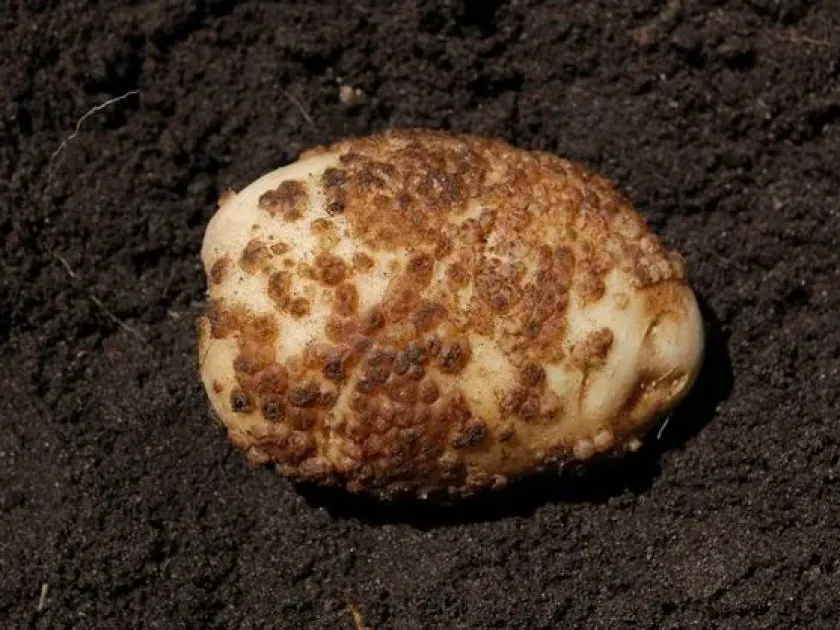
The most distinctive sign of Oospora infection is the development of small, raised pustules or spots on the surface of tubers, roots, or stems, depending on the host plant.
Initial symptoms may appear as subtle, dark-colored blemishes. As the infection progresses, these spots expand, often becoming darker and more defined as the epidermal tissue collapses.
In moist environments, a thin, grayish-white layer of mycelium may be observed on the affected areas. Cracking of the skin around these spots is also a common feature of advanced stages.
When underground parts of the plant are severely infected, symptoms often manifest as stunted growth, wilting, and eventual necrosis of the root or stem system.
Internal tissues of infected organs may show signs of softening and discoloration, making the plant material susceptible to further decay and spoilage in storage.
Pathogen
Oospora is a genus of imperfect fungi, with Oospora pustulans being the most recognized species causing skin spot disease in various plants, particularly potatoes. This pathogen is a soil-borne fungus capable of surviving in plant debris for several growing seasons.
The fungus develops a septate mycelium that can colonize both surface tissues and deeper layers of plant organs. It reproduces by forming conidia, which are easily dispersed by water splashes, air currents, and contaminated agricultural tools.
The biology of this pathogen is strictly tied to moisture levels. It demonstrates high survival capability, allowing it to remain dormant in soil or on the surface of tubers until conditions become favorable for infection.
Infection can occur systemically, affecting the vascular system of the host plant. The ability of the pathogen to colonize seed material is particularly problematic for commercial crop production.
The pathogen frequently acts as a primary invader that weakens the plant's structural integrity, paving the way for secondary infections by various bacterial or fungal rot organisms.
Conditions for development
Excessive soil moisture is the primary driver of Oospora development. High humidity levels during the early stages of growth significantly increase the risk of infection.
The pathogen thrives in poorly aerated, heavy, or compacted soils. Poor drainage allows the fungus to survive longer and spread more efficiently through the soil profile.
Temperature plays a crucial role, with the fungus showing optimal growth rates between 10 and 18 degrees Celsius, making it a persistent threat in cool, damp climates.
Inadequate crop rotation is a major contributor to the accumulation of inoculum in the field, as the pathogen can persist on infected debris left after harvest.
Poor storage hygiene, including high humidity and lack of proper ventilation, creates ideal conditions for the rapid spread of the disease among harvested crops.
Why it matters
The primary economic impact of Oospora is the degradation of product quality. Infected crops lose their marketability due to unsightly lesions and reduced shelf life.
Infection of seed tubers significantly reduces field emergence rates, leading to uneven stands and substantial losses in total harvest yield per hectare.
The disease compromises the overall health of the plant, making it significantly more vulnerable to other fungal and bacterial pathogens that further destroy crop tissue.
Financial losses are compounded by the need for expensive chemical interventions, increased labor for sorting infected stock, and the loss of produce during the storage cycle.
Severe infestations can lead to total crop failure, particularly in regions where environmental conditions favor the long-term survival of the fungal spores in the soil.
Protection
The cornerstone of Oospora management is the use of high-quality, certified seed material that is free from visible symptoms and fungal contamination.
Practicing long-term crop rotation is essential, as it helps decrease the concentration of fungal spores in the soil, preventing the build-up of the pathogen over successive seasons.
Storage management is vital; keeping facilities cool, dry, and well-ventilated helps inhibit the germination and spread of spores on harvested produce.
Field hygiene is equally important, which involves the thorough removal and destruction of crop residues after harvest to minimize the survival of the pathogen.
- Applying fungicides to seed stock before planting.
- Improving soil drainage through structural modification.
- Optimizing fertilizer use to promote vigorous plant growth.
Discussion
No discussions yet — be the first.