
Oomycetes
Oomycota
Oomycetes (Oomycota) are a distinct group of fungus-like eukaryotic microorganisms known as water molds. While they resemble true fungi, they are phylogenetically closer to diatoms and brown algae, which influences their biology and susceptibility to chemicals.
What the section contains
Oomycetes
These organisms reproduce via motile zoospores that require free water to move and infect host tissues. This makes water availability the primary limiting factor for their dispersal and subsequent epidemic development.
The survival structures, known as oospores, are formed through sexual reproduction. They are highly resilient and can remain dormant in soil for years, serving as a primary source of inoculum for subsequent seasons.
Oomycetes are responsible for some of the most devastating plant diseases in agriculture, including late blight in potatoes and tomatoes, downy mildew in various vegetables, and Pythium root rot.
Their cell walls are primarily composed of cellulose rather than chitin. Consequently, many conventional fungicides designed for true fungi are ineffective, requiring the use of specialized anti-oomycete chemistry.
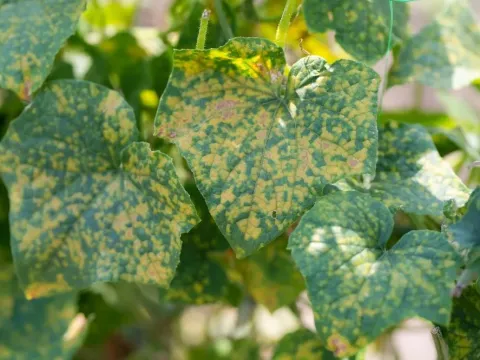
Early symptoms of Oomycete infection often include chlorotic spots that rapidly progress into necrotic lesions. A characteristic feature is the appearance of fuzzy, white, or greyish mycelium on the underside of leaves during humid conditions.
Root-infecting Oomycetes cause sudden wilting and yellowing of foliage. Infected roots typically show signs of decay, turning brown or black, and the cortical tissue often sloughs off, leaving only the central vascular core.
In fruit-bearing crops, the pathogens cause water-soaked lesions that lead to soft rot. These lesions can spread rapidly throughout the fruit, rendering it unfit for consumption or storage.
Disease spread typically occurs in circular patches, following the flow of surface water or wind-driven rain droplets. In severe cases, the entire plant architecture can collapse within a few days.
- Water-soaked, necrotic leaf spots.
- White or grey sporulation on lower leaf surfaces.
- Root discoloration and tissue disintegration.
- Damping-off of seedlings.
- Rapid wilting and death of plant tissues.
Oomycete development is heavily favored by cool to moderate temperatures, typically between 15°C and 22°C. These conditions maximize zoospore motility and the rate of host tissue colonization.
High relative humidity and the presence of liquid water on plant surfaces are essential for infection. Periods of heavy dew or prolonged rainfall create ideal windows for epidemic outbreaks.
Poor soil drainage and stagnant water promote the growth of soil-borne Oomycetes. Managing water levels and ensuring good soil aeration are critical steps in reducing the incidence of root diseases.
Dense canopy growth or poor greenhouse ventilation creates a conducive microclimate that maintains high humidity. This allows the pathogen to thrive even in seasons with lower overall rainfall.
Host susceptibility is increased by stress factors, such as over-fertilization with nitrogen or mechanical injury. Healthy, well-nourished plants are generally more resilient to the initial stages of infection.
Oomycetes are economically significant due to their ability to cause widespread crop failure. The losses include direct yield reduction, lowered market quality, and post-harvest destruction during storage and transport.
By destroying photosynthetic tissue and disrupting root water uptake, these pathogens severely limit crop productivity. Infected plants often fail to produce marketable produce, impacting farm profitability.
The financial burden of control is high, as Oomycetes require expensive, specialized fungicides. Frequent applications are often necessary to keep the disease below economic thresholds during peak risk periods.
Seedling mortality (damping-off) caused by Oomycetes can result in poor stand establishment, forcing growers to replant and losing valuable seasonal time. This impacts both supply chains and resource management.
In addition, the persistence of oospores in the soil means that long-term management strategies are required, often involving strict crop rotation and expensive soil treatments to maintain land productivity.
Effective control requires an integrated approach starting with the use of pathogen-free seeds and resistant cultivars. Cultural practices such as crop rotation and removal of infected crop debris significantly reduce soil inoculum.
Chemical control focuses on the targeted use of systemic fungicides. It is crucial to rotate active ingredients with different modes of action to prevent the development of resistant pathogen strains.
Environmental management, including the use of drip irrigation instead of overhead watering and improved greenhouse ventilation, helps reduce the conditions necessary for zoospore spread.
Predictive modeling based on weather data allows for "smart" application timing, ensuring that sprays are applied only when risk is high, which optimizes costs and reduces environmental impact.
Biological control agents, such as specific strains of Trichoderma, can be utilized to populate the rhizosphere and suppress root-infecting Oomycetes. These agents provide a sustainable component of the disease management plan.