
Opalina
Opalina
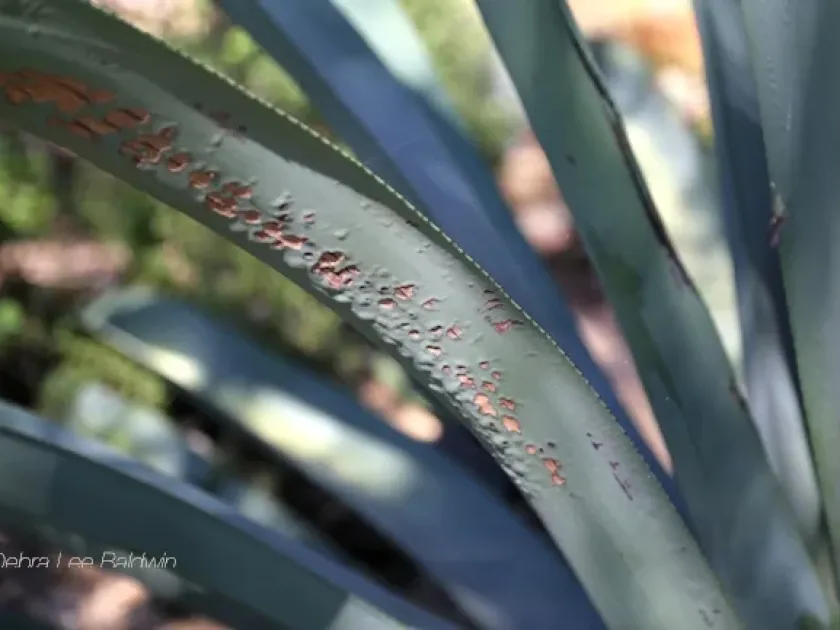
Description
Symptoms
The primary symptom is the emergence of small, yellowish spots on the leaves, which expand and darken over time. These spots often develop a necrotic center, indicating advanced tissue death.
In high humidity, a characteristic greyish or brown sporulation layer appears on the undersides of the affected leaves. This indicates that the pathogen is actively producing spores for further dispersal.
As the disease progresses, these spots coalesce, covering large portions of the leaf blade. This leads to generalized leaf yellowing, chlorosis, and eventually, the abscission of the foliage.
Stem infections manifest as longitudinal dark streaks. When these streaks encircle the stem, the transport of water and nutrients is severely impaired, causing the upper parts of the plant to wilt.
- Chlorotic spots progressing to brown necrosis.
- Visible fungal sporulation on leaf surfaces.
- Premature yellowing and leaf shedding.
- Stunting of overall plant development.
Pathogen
The causal agent of this disease involves fungi belonging to the genus Opalina. These parasitic microorganisms are known for infecting the leaf surface and penetrating the internal tissues of host plants.
The pathogen thrives by colonizing the intercellular spaces, secreting enzymes that degrade plant cells and lead to the development of necrotic lesions. It primarily functions as an opportunistic parasite.
Dissemination occurs via spores, which are easily transported by wind currents, splashing rain, or agricultural machinery. The fungus is noted for its ability to persist in debris for multiple seasons.
The biological cycle of the pathogen is highly influenced by the host plant's physiological stage. It preferentially infects weakened tissues, making crops under stress more susceptible to infestation.
Research suggests that Opalina often acts as part of a complex, interacting with other pathogenic fungi to exacerbate the damage to the host, making diagnosis challenging in mixed-infection fields.
Conditions for development
Optimal conditions for infection include temperatures between +18°C and +24°C, accompanied by high relative humidity (above 80%). Prolonged leaf wetness is essential for spore germination.
Densely planted crops that lack proper airflow provide an ideal microclimate for the disease. Poor ventilation allows humidity levels to remain high within the canopy, favoring fungal spread.
Plants under nutritional stress, particularly those with potassium or phosphorus deficiencies, show reduced resistance to invasion. Unbalanced nitrogen fertilization can also create lush, succulent tissue that is easier for the fungus to penetrate.
Physical injuries, whether from hail, wind damage, or insect feeding, act as entry points for the fungal spores. Once inside the plant, the pathogen spreads rapidly throughout the tissue.
Periods of heavy rainfall increase the risk of an outbreak. The presence of water films on the leaf surface facilitates the movement of motile spores or the germination process of stationary conidia.
Why it matters
The main impact of the disease is the substantial reduction in the photosynthetic area of the plant. A diminished ability to produce carbohydrates leads to stunted growth and smaller final yields.
In addition to yield quantity, quality suffers significantly. Crops may exhibit reduced sugar content, poor grain fill, or inferior market quality, leading to lower profitability for farmers.
Severe infections weaken the plant's structural integrity, making it more prone to lodging. Furthermore, the stressed condition of the crop invites secondary infestations by saprophytic organisms.
Infected crops are less capable of surviving environmental stresses, such as drought or heat waves. This makes the overall farm production more volatile and risky in high-infection seasons.
If left unmanaged, the pathogen builds up in the soil and on crop residues, necessitating more intensive and costly management practices in subsequent years.
Protection
Crop rotation is the most critical preventative measure. Rotating away from susceptible hosts for at least three seasons helps break the life cycle of the pathogen and prevents spore accumulation.
Sanitation practices, such as the removal or deep burial of post-harvest crop residues, are essential to destroy the overwintering inoculum. Keeping fields clean reduces the initial disease pressure.
The application of systemic fungicides is recommended during early symptom onset. It is vital to use chemical treatments in accordance with integrated pest management (IPM) guidelines to ensure effectiveness.
Proper field management, including adequate plant spacing and balanced fertilization, promotes healthier plants that are naturally more resistant to the pathogen's attack.
Choosing resistant or tolerant varieties is a cornerstone of long-term disease control. Developing integrated strategies that combine genetic resistance with good agronomy is the best approach to mitigating the risk.
Discussion
No discussions yet — be the first.