
Stem rot of rice
Nakataea oryzae
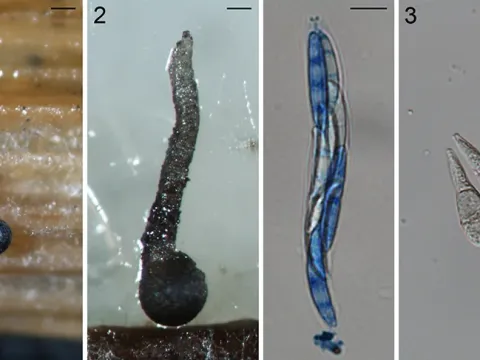
The disease is caused by the fungus Nakataea oryzae (formerly known as the anamorph of Leptosphaeria salvinii), which survives as sclerotia in the soil and rice stubble.
What the section contains
Stem rot of rice
These black, spherical sclerotia are highly resistant to environmental stressors and serve as the primary source of inoculum in paddy fields at the start of the season.
When the fields are flooded, these sclerotia float to the water surface, where they can easily contact the lower leaf sheaths and stems of rice plants.
The fungus produces infectious hyphae that penetrate the epidermal cells, initiating a decay process that progressively consumes the stem tissue.
Its biological cycle is strictly dependent on the availability of moisture and the presence of susceptible host tissue, making it a persistent problem in intensive rice cultivation.
Initial symptoms are usually observed at the water line, manifesting as small, dark, irregular spots on the leaf sheaths.
As the infection advances, these spots expand into dark, necrotic lesions that may eventually girdle the entire stem.
A diagnostic sign of stem rot is the presence of numerous small, black, pinhead-sized sclerotia within the infected stem tissues.
Infected plants show signs of premature senescence, and as the structural integrity of the stem fails, the plants exhibit significant lodging.
The panicles of severely affected plants are often empty or contain poorly developed, chalky, and lightweight grains due to blocked nutrient transport.
High humidity and stagnant water in the rice fields are primary environmental factors that promote the rapid development and spread of Nakataea oryzae.
Optimal temperatures for fungal growth and tissue colonization range from 25°C to 30°C, typical for the mid-season growth of rice crops.
Excessive application of nitrogen fertilizer encourages dense vegetative growth and succulent tissues, which are significantly more susceptible to fungal attack.
Poor water management, where contaminated water is allowed to flow between plots, facilitates the spread of sclerotia throughout the entire irrigation system.
High plant density creates a microclimate characterized by reduced airflow and constant high humidity, which accelerates the germination of fungal structures.
Rice stem rot can cause substantial yield losses, with severe outbreaks potentially reducing total crop output by more than 50% in vulnerable regions.
The weakening of the stems leads to widespread lodging, which complicates harvesting operations and causes significant grain losses during mechanical threshing.
Grain quality is negatively impacted, as the fungus inhibits the proper grain-filling process, resulting in light, shriveled, and inferior-grade rice.
Long-term contamination of the soil with sclerotia reduces the viability of land for future rice production unless rigorous soil and crop management is practiced.
The cost of production increases significantly due to the necessity of applying fungicides and the potential need for remediation of infected paddy fields.
Integrated management is essential, starting with the use of certified, disease-free seed and the cultivation of resistant or tolerant rice varieties.
Proper field sanitation, including the deep incorporation of post-harvest residues, is critical to bury sclerotia and reduce the primary inoculum level.
Balanced fertilization, particularly adequate potassium levels, helps strengthen the rice stems and improves the plant's overall resistance to infection.
- Implementing periodic drainage of paddies to reduce humidity around the stem base.
- Ensuring water circulation is managed to prevent the spread of floating sclerotia.
- Applying preventive or curative systemic fungicides during the early stages of disease onset.
Regular scouting of fields for early signs of lesions is paramount for implementing timely interventions and preventing widespread outbreaks in commercial production.