
Stem rot of rice
Nakataea
The causal agent of stem rot of rice is the fungus Nakataea sigmoidea, formerly classified under the name Leptosphaeria salvinii. This pathogen is a serious threat to rice production worldwide.
What the section contains
Stem rot of rice
The fungus survives in the soil and on crop debris primarily as sclerotia. These resting structures are highly durable and can remain viable in the field for several years.
Under favorable conditions, particularly when rice fields are flooded, these sclerotia float on the water surface and germinate, initiating the infection of the rice stem base.
The life cycle of the pathogen is complex, involving both asexual conidia, which contribute to the rapid spread of the disease within the season, and sexual stages.
Alternative hosts, including various grassy weeds found in and around rice paddies, can also harbor the fungus, serving as secondary sources of inoculum.
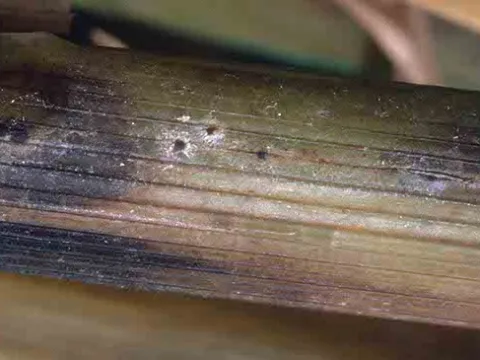
Early symptoms appear as small, irregular blackish or brown lesions on the leaf sheaths at the water line, where the pathogen first contacts the plant.
As the disease progresses, the infection penetrates deeper into the stem tissues. The stem begins to rot, becoming soft and discolored, often turning dark grey or black.
Inside the infected culms, the presence of numerous tiny black sclerotia is a diagnostic feature that confirms the presence of Nakataea sigmoidea.
Affected plants often show signs of premature wilting, yellowing of leaves, and weakened stalks, which frequently leads to lodging of the rice crop.
In severe cases, the grain filling process is interrupted, leading to unfilled or chaffy panicles and a significant reduction in grain weight and quality.
High humidity and warm temperatures, typically ranging from +25 to +30 degrees Celsius, are the primary environmental factors promoting the disease.
Continuous flooding of rice paddies provides the perfect environment for the sclerotia to float, germinate, and successfully infect the emerging rice culms.
Excessive application of nitrogen fertilizers promotes lush, succulent plant growth, which is more susceptible to fungal colonization compared to balanced nutrition.
High planting density restricts air movement within the crop canopy, increasing the relative humidity and creating a microclimate that accelerates fungal spread.
Poor water management, specifically stagnant water with fluctuating levels, helps distribute the inoculum throughout the entire field area.
The primary damage caused by stem rot is the destruction of the vascular system in the lower stem, which prevents the transport of water and nutrients to the panicle.
Lodging caused by the structural weakening of the stalks creates significant harvesting difficulties and increases mechanical losses during the threshing process.
Yield loss is directly correlated with the severity of the infection, with potential losses exceeding 50 percent in susceptible varieties under epidemic conditions.
Grain quality is negatively impacted, resulting in low milling recovery, poor kernel appearance, and decreased market value for the harvested product.
The persistent buildup of sclerotia in the soil creates a long-term management challenge, necessitating consistent investment in disease control for subsequent seasons.
Cultural management is the cornerstone of control, involving deep plowing to bury crop residues deep in the soil, effectively reducing the sclerotial population.
The cultivation of resistant or tolerant rice varieties is the most sustainable strategy to minimize the impact of stem rot on commercial rice yields.
Balanced fertilization, avoiding excessive nitrogen, helps maintain structural integrity and natural resistance levels in rice plants.
Effective water management, including periodic drainage of the paddies to aerate the soil and reduce humidity at the base of the plants, can suppress infection.
Chemical control with systemic fungicides may be necessary in areas with high disease pressure, applied strategically at the early stages of disease development.