
Willow leaf spot
Linospora capreae
The disease is caused by the ascomycete fungus Linospora capreae. It is a specialized pathogen that primarily targets species of the willow genus (Salix).
What the section contains
Willow leaf spot
The fungus overwinters on fallen leaves, where it develops its sexual fruiting bodies, known as perithecia. During spring, it releases ascospores into the environment.
Spores are dispersed by wind and splashing rain, landing on fresh willow foliage to initiate new infections. Once settled, the fungal hyphae penetrate the leaf surface.
Throughout the growing season, the fungus produces secondary spores (conidia), allowing the disease to spread rapidly among healthy leaves and neighboring trees.
The life cycle is closely synchronized with the phenology of the willow, making the tree a perfect host for the pathogen to complete its development stages.
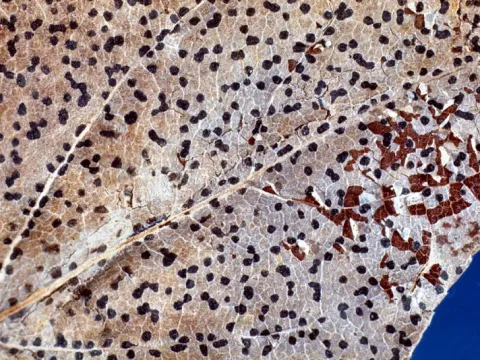
Initial symptoms include the appearance of small, round to irregular spots on the leaves, which gradually turn brown or dark necrotic patches.
As the disease progresses, these spots often coalesce, covering large sections of the leaf blade. Small, black, pimple-like structures may appear in the center of the spots.
Infected leaves often curl, become brittle, and show signs of premature wilting. The necrosis disrupts the aesthetic appeal and vitality of the foliage.
Severe infestations lead to premature leaf drop, often occurring mid-summer. This results in the tree losing its canopy prematurely, leaving branches exposed.
By autumn, the undersides or the necrotic zones of the leaves become dark and leathery, marking the formation of overwintering structures that will release spores in the coming year.
High humidity and frequent rainfall are the primary drivers for Linospora capreae outbreaks. Wet conditions provide the necessary moisture for spore germination.
The fungus thrives in temperatures between 15°C and 22°C. These moderate conditions often coincide with the rapid growth phase of willow foliage in the spring.
Poor ventilation within the tree canopy significantly increases susceptibility. Densely planted trees prevent sunlight and air from drying leaves, creating a damp microclimate.
Willow trees planted in low-lying, damp areas or near water bodies are more prone to infection due to higher atmospheric moisture levels around the foliage.
The presence of decomposing leaf litter under the trees acts as a massive reservoir for the fungus, ensuring a high pressure of inoculum for the next growing season.
The primary damage is caused by extensive defoliation, which severely limits the tree's ability to perform photosynthesis and produce energy reserves.
Chronic infection weakens the overall health of the willow, leading to reduced annual growth, smaller leaf sizes, and a decline in vigor over time.
Trees affected by the disease are more susceptible to winter injury, as they fail to accumulate sufficient carbohydrates before the onset of cold weather.
Loss of foliage also degrades the ornamental value of willow trees, making them unsuitable for landscaping purposes in public parks and residential gardens.
In nurseries, this disease can lead to significant economic losses, as infected stock may lack the growth performance and aesthetic quality required for sale.
Sanitation is the most effective preventative measure. Collecting and destroying fallen leaves in autumn removes the overwintering source of the fungus.
Pruning the canopy to improve air circulation and light penetration is essential. This helps the foliage dry faster after rain, making it difficult for the fungus to establish.
Fungicidal applications, particularly those containing copper, can be used to protect healthy foliage if conditions are favorable for disease development.
Proper spacing during planting is crucial to avoid overcrowding, which promotes the development of humid microclimates within the stand of willow trees.
Monitoring the trees throughout the spring and early summer allows for early intervention, potentially preventing the disease from reaching epidemic levels on the property.