
Limonomyces
Limonomyces
Limonomyces is a genus of basidiomycetous fungi that causes turfgrass diseases, most notably known as pink patch. The primary species responsible for this condition is Limonomyces roseipellis.
What the section contains
Limonomyces
This pathogen acts as an obligate parasite, infecting the vegetative tissues of grass blades. The fungus develops a mycelial network that wraps around leaves, disrupting the plant's metabolic processes.
The biology of the fungus allows it to persist in the thatch layer and infected debris during cold or dry periods. As soon as environmental conditions become favorable, the mycelium resumes its activity.
Limonomyces is unique in its adaptation to cool, humid environments. It spreads efficiently through infected leaf clippings and the movement of contaminated soil or maintenance equipment across the lawn area.
The fungus is particularly aggressive in dense turf stands where air circulation is poor. This environment allows the mycelium to thrive, colonizing the crown and leaf tissues effectively.
The initial symptom of a Limonomyces infection is the appearance of small, diffuse patches on the grass. These patches are initially pale and can easily be overlooked in the early stages of development.
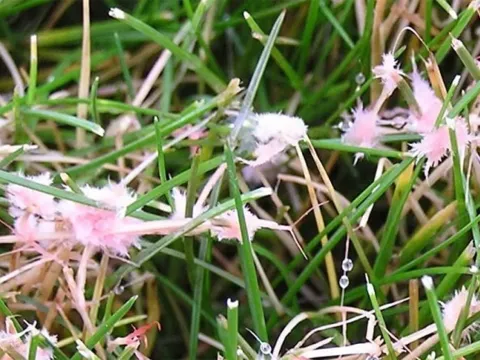
The most distinctive characteristic is the presence of a pink or salmon-colored mycelial growth on the grass blades. This growth is most visible during early morning hours when dew is present.
As the infection progresses, the leaves within the patches lose their color, turn yellow or light brown, and eventually die. This leads to the formation of noticeable dead spots on the lawn surface.
In high humidity, the fungal mycelium can appear to "glue" the leaf blades together, creating a matted texture. This matting is a clear indicator of a severe fungal infestation.
Unlike some other patch diseases, the patches caused by Limonomyces usually have irregular margins. They often blend into the surrounding healthy grass rather than having sharply defined edges.
Limonomyces thrives in cool, moist weather conditions. The optimal temperature range for its development is between 10°C and 20°C, making it a common issue during transitional seasons like spring and autumn.
Prolonged leaf wetness is the most critical factor for disease development. Frequent light rains, fog, or heavy dew provide the necessary moisture for the fungus to spread and colonize healthy tissues.
Low nitrogen levels in the soil can predispose turfgrass to this infection. Conversely, excessive nitrogen can create succulent, soft tissue that is also highly susceptible to fungal penetration.
The accumulation of excessive thatch serves as a reservoir for the fungus. Thatch retains moisture and creates an insulating layer that protects the mycelium, facilitating its survival and expansion.
Poor air circulation, caused by dense turf or lack of wind movement, keeps the canopy wet for longer periods. This extended moisture availability is essential for the rapid life cycle of the pathogen.
The primary damage caused by Limonomyces is the severe aesthetic decline of the lawn. Unsightly patches ruin the uniformity of the turf, which is particularly problematic for high-value landscapes and sports fields.
If left untreated, the disease can lead to extensive turf thinning and total plant mortality in the affected areas. This necessitates expensive and time-consuming reseeding or sod replacement.
Infected turf becomes significantly weaker, reducing its overall resilience and ability to withstand foot traffic or mechanical wear. This makes the lawn more prone to secondary weed invasion.
Economic costs are driven by the need for regular fungicide applications to suppress the disease. Managing an outbreak requires precise timing and potential long-term investment in turf health.
Furthermore, the disease can hinder the recovery of the lawn after periods of stress, such as drought or heavy use, by depleting the plant's carbohydrate reserves during the infection process.
Effective management begins with proper cultural practices. Regularly removing thatch through vertical mowing and improving soil aeration are essential steps to deny the fungus its preferred habitat.
Maintaining a healthy, balanced fertilization program helps the turfgrass withstand infection. Ensuring adequate potassium levels can significantly improve the plant's natural defenses against fungal pathogens.
Watering should be managed to promote quick drying of the turf canopy. Morning irrigation is preferred to allow the blades to dry out thoroughly before the evening temperature drops.
- Use fungicide treatments specifically labeled for pink patch control.
- Promote air circulation by pruning surrounding trees or shrubs if necessary.
- Avoid mowing when the grass is wet to prevent the mechanical spread of spores.