
Lacellinosis
Lacellina
The disease is caused by fungi belonging to the genus Lacellina, which are classified as hyphomycetes within the deuteromycetes group.
What the section contains
Lacellinosis
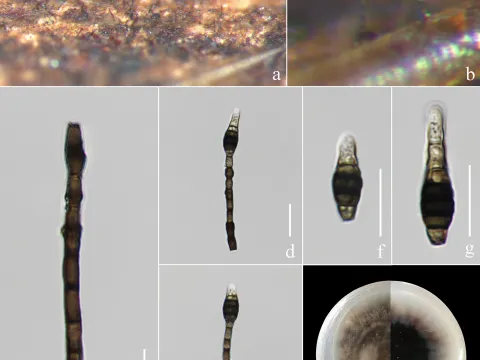
The pathogen primarily forms a dark, velvety mycelium on the surface of host plant tissues, which acts as the center for conidial production.
Lacellina graminicola is a common species associated with this type of plant disease, spreading mainly through airborne conidia.
The structure of the conidiophores is a critical morphological feature that allows mycologists to confirm the identity of the fungus under laboratory conditions.
The fungus is capable of surviving adverse periods as dormant mycelium or spores within infected plant debris in the soil.
The hallmark of Lacellinosis is the appearance of dark, felt-like patches on leaves, leaf sheaths, and sometimes stalks of susceptible plants.
Infected tissues initially show discoloration, which later progresses to dark brown or black spots, indicating the development of the fungal colonies.
As the infection spreads, the leaves may wither prematurely, leading to chlorosis and potential death of the affected plant parts.
The disease typically manifests in the lower canopy where environmental conditions are more stable and conducive to fungal growth.
Under magnification, these dark patches reveal dense clusters of reproductive structures (conidiophores) characteristic of the genus.
High humidity and moderate temperatures are the primary environmental drivers that favor the germination and spread of Lacellina spores.
Dense crop stands create a microclimate with stagnant air and reduced light, providing an ideal niche for the pathogen to thrive.
Frequent rain, heavy dew, or prolonged periods of morning fog significantly increase the likelihood of rapid disease development in the field.
Plants under stress, whether due to nutrient imbalances or mechanical damage, are often more susceptible to infection by the fungus.
Incomplete ventilation within the plant community accelerates the colonization process during the peak vegetative growth stages.
Lacellinosis reduces the total leaf area available for photosynthesis, which negatively impacts the plant's overall energy production.
Premature leaf senescence forces the plant to limit grain filling, leading to reduced crop yields and lower seed quality.
Heavy infections can cause significant economic losses in cereal production by decreasing the grain weight and overall harvest volume.
The presence of fungal growth on the plant material can also lower the commercial value of the harvested produce.
Weakened plants are more prone to secondary infections, further exacerbating the impact on crop health and long-term farm profitability.
Crop rotation is a fundamental preventive measure, as it prevents the build-up of the fungal population in the soil from previous seasons.
Proper soil management, including the deep incorporation of crop residues, helps eliminate potential inoculum sources before the new season.
Maintaining appropriate plant density ensures better airflow and light penetration, creating an unfavorable microclimate for the fungus.
Balanced fertilization, particularly adequate potassium and phosphorus levels, helps strengthen plant immunity against fungal attacks.
In cases of severe infestation, targeted fungicide applications based on field monitoring are recommended to protect the yield potential.