
Lachnellula fuscosanguinea
Lachnellula fuscosanguinea
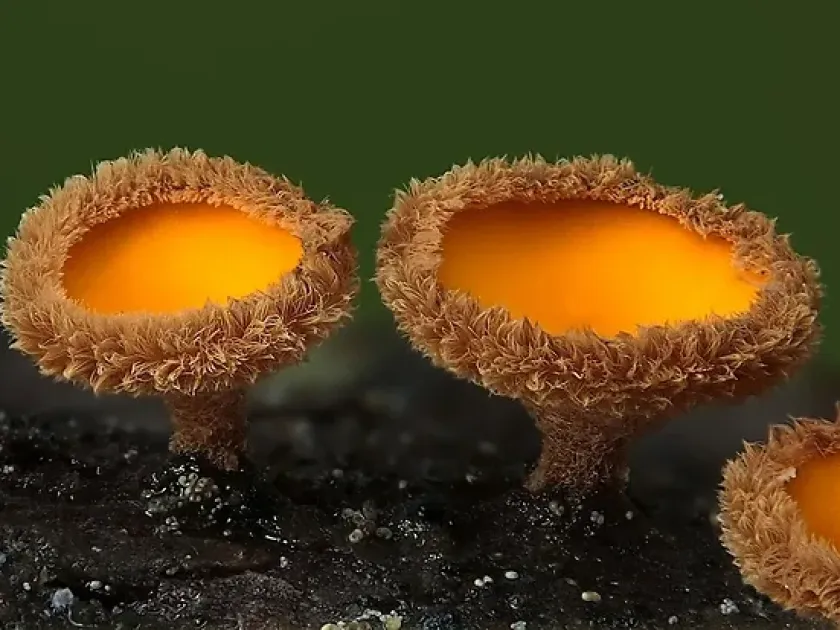
Description
Symptoms
The first external sign of infection is a distinct color change in the bark. Infected areas often shift toward a dark, reddish-brown or "bloody" color, signaling that the inner tissues are dying and necrotizing due to fungal activity.
Over time, these patches develop into sunken cankers or deep cracks within the bark. The tree attempts to defend itself by producing callus tissue around the infection site, but the fungus frequently overcomes these defenses, causing the cankers to expand.
During favorable weather conditions, the bright, saucer-shaped apothecia emerge from the edges of the canker. These structures are most prominent in moist conditions, appearing as small, fleshy dots that release spores into the surrounding area.
Resinosis, or excessive resin flow, is a common reaction to the infection. As the fungus damages the cambium, the tree secretes resin in an attempt to "seal off" the site, though this is rarely sufficient to stop the progressive damage.
Branch and crown dieback are critical indicators of advanced disease. When a canker encircles a branch or trunk, the flow of nutrients is blocked, resulting in the yellowing of needles and the eventual death of the parts of the tree above the lesion.
Pathogen
The causal agent of this disease is the ascomycete fungus Lachnellula fuscosanguinea. It is a specialized pathogen that primarily targets the bark and cambium of coniferous trees, especially those belonging to the genus Larix (larch).
This fungus is recognized as a bark-inhabiting pathogen that causes cankerous lesions. The mycelium penetrates the living tissues of the host, systematically damaging the nutrient-conducting vessels and interfering with the tree's vital physiological functions.
The fungus produces distinctive fruiting bodies known as apothecia. These structures typically manifest as small, cup-shaped discs that exhibit vibrant orange, reddish, or brownish hues, which are often the most visible evidence of an ongoing infection.
Spores are dispersed through wind, rain splashes, and sometimes insects. Upon landing on fresh wounds or fissures in the tree's bark, the spores germinate, eventually forming a new mycelial network that begins to colonize healthy tissue.
As an obligate parasite, the fungus is highly adapted to the microclimates found within coniferous forests. It thrives in humid environments, utilizing the bark's surface to complete its reproductive cycle during specific seasons.
Conditions for development
The development of Lachnellula fuscosanguinea is highly dependent on environmental humidity and temperature. The fungus requires high moisture levels and moderate, cool temperatures to successfully produce spores and infect new hosts.
Dense, poorly ventilated forest stands provide an ideal microenvironment for the fungus to spread. Limited airflow keeps the bark surface moist for longer periods, significantly increasing the probability of successful spore colonization.
Tree health plays a major role in susceptibility. Trees that have been weakened by environmental stress, poor soil nutrition, or physical damage (such as frost cracks or logging injuries) are significantly more prone to severe infections.
The timing of precipitation is a key factor. Periods of prolonged rainfall during the spring and autumn significantly accelerate the life cycle of the pathogen, leading to localized outbreaks within susceptible forest areas.
Mild winters can also favor the pathogen. Frequent thaws allow the fungal mycelium to remain metabolically active, causing it to colonize more tissue even outside of the standard peak growing season for the host trees.
Why it matters
The primary damage caused by this fungus is the destruction of the cambium, which weakens the tree's structure and physiological health. Chronic infections lead to widespread tissue death and reduced growth rates.
Economically, the presence of cankers severely degrades the quality of timber. Infected trunks are often riddled with necrotic spots and resin pockets, rendering the wood unsuitable for construction or high-quality manufacturing purposes.
Severe infestations can lead to tree mortality, especially in young saplings or dense nursery settings. This results in significant economic losses for forest management operations and necessitates costly replanting efforts.
Infected trees become highly vulnerable to secondary attacks. Insects, such as bark beetles or wood-boring beetles, are attracted to stressed trees, and their infestation often acts as the final blow that causes the tree's death.
The disease can negatively impact forest biodiversity by altering the age and species structure of the stand. If left unchecked, it can lead to the loss of large sections of valuable coniferous forest, disrupting local ecosystems.
Protection
Sanitation is the most effective management strategy. Removing and destroying infected branches or entire trees helps to reduce the overall inoculum density in the forest, thereby preventing the spread of spores to healthy neighbors.
Adhering to best practices in silviculture is essential. Minimizing mechanical damage during forest maintenance reduces the number of entry points for the pathogen, keeping the trees' natural defensive barriers intact.
In forest nurseries, preventive applications of systemic fungicides can protect young, vulnerable stock. Such measures are crucial during the early stages of growth when the plants are most susceptible to infection.
Promoting tree vitality through proper site selection and fertilization helps the host survive infections. A robust tree produces higher amounts of resin, which can successfully encapsulate small, initial fungal attacks.
Ongoing monitoring is necessary to track the progression of the disease. Early detection allows for targeted interventions, preventing minor infections from escalating into large-scale outbreaks that could threaten an entire forest area.
Discussion
No discussions yet — be the first.