
Inocybe mixtilis
Inocybe mixtilis
Description
Symptoms
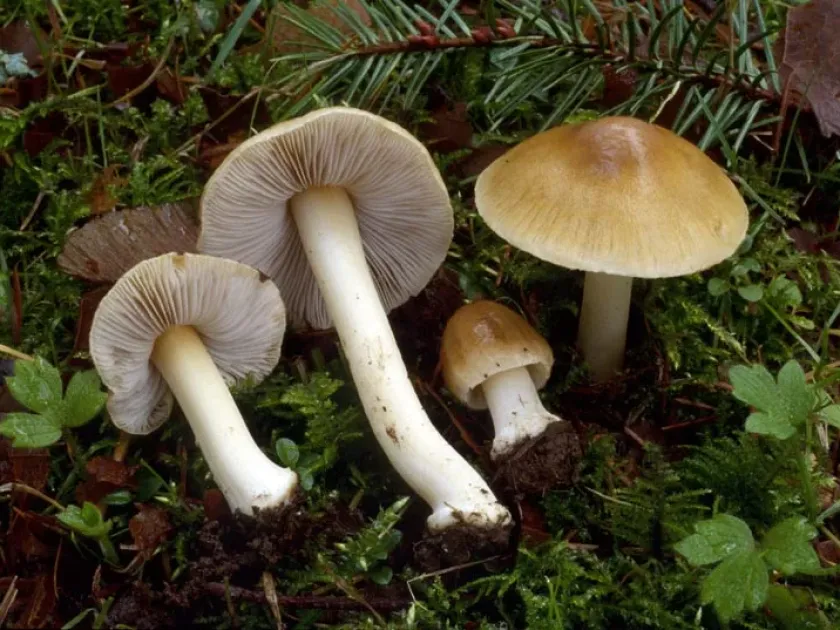
The appearance of Inocybe mixtilis is characterized by small fruiting bodies with a conical, buff to brownish cap featuring a distinct central umbo or bump.
The gills situated beneath the cap are initially pale but transition to a brownish color as the fungal spores mature and are dispersed.
A key diagnostic feature of this species is the stalk, which typically displays a bulbous base, distinguishing it from many other species in the genus Inocybe.
White mycelial threads may be observed in the soil or leaf litter under moist conditions, indicating the extensive development of the fungus beneath the surface.
Microscopic examination of the spores, which are roughly elliptical, is required for definitive identification when field morphology is inconclusive.
Pathogen
Inocybe mixtilis is a species of mushroom belonging to the Inocybaceae family. It is not classified as a plant disease agent but rather as a soil-dwelling fungus involved in mycorrhizal associations.
The fungus develops mycelial networks that form symbiotic relationships with the roots of various trees, particularly in woodland areas adjacent to agricultural lands.
From a biological standpoint, Inocybe mixtilis is known for its variability, which is captured in its scientific name. Like many members of the genus, it produces potent toxins, primarily muscarine.
Agronomically, this species is considered a component of forest soil biota. Its presence in fields is typically limited to edge habitats where forest soils meet cultivated lands.
The fungus is strictly non-pathogenic to commercial crops, focusing its biological activity on decomposing organic matter or maintaining mycorrhizal symbiosis with host trees.
Conditions for development
The development of Inocybe mixtilis is heavily dependent on soil moisture levels. It thrives in environments with consistent humidity, such as shaded forest edges.
Temperatures ranging from 15°C to 22°C during the late summer and autumn months provide the optimal window for the formation of fruiting bodies.
Soils that are slightly acidic and rich in organic debris, such as conifer needles or leaf mold, offer the ideal substrate for this mushroom to establish its mycelium.
Excessive drainage or drought conditions inhibit the growth of the fungus, making it less common in well-tilled, dry, or sandy agricultural fields.
High levels of soil organic matter serve as a nutrient reservoir, supporting the vegetative growth phase of the mushroom throughout the growing season.
Why it matters
Inocybe mixtilis poses no direct threat to agricultural crops as it lacks the physiological ability to parasitize plant tissues.
The primary concern regarding this mushroom is its toxicity. It contains muscarine, which can cause severe poisoning if accidentally ingested by livestock or humans.
While it is not a crop pathogen, its dense mycelial colonization of soil can sometimes reflect waterlogged or poor soil drainage conditions, which are indirectly detrimental to crop performance.
In rare instances, the accumulation of fungal toxins in the soil might have minor impacts on the microbial balance, although this effect is typically negligible.
The danger is primarily ecological and toxicological, necessitating awareness among farmers to prevent contamination of crops or livestock forage with wild mushroom debris.
Protection
Standard agricultural pest control measures are not applicable to Inocybe mixtilis because it is not a disease-causing agent for plants.
Effective management focuses on site maintenance, such as improving drainage and managing edge vegetation to reduce suitable habitats for fungal growth.
Adjusting soil pH through liming can alter the environment, making it less favorable for the establishment and proliferation of Inocybe species.
Removing piles of leaf litter or organic debris from the perimeter of fields reduces the available substrate for the mushroom's fruiting phase.
Education regarding the identification and toxicity of local mushrooms is the best prevention strategy to ensure the safety of agricultural workers and animals.
Discussion
No discussions yet — be the first.