
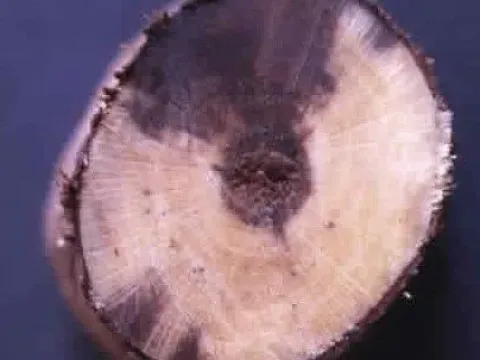
Black foot disease
Ilyonectria liriodendri
Black foot disease is caused by the fungus Ilyonectria liriodendri (formerly Cylindrocarpon liriodendri). It is a soil-borne pathogen known for causing severe root degradation in a variety of woody plant species, most notably in grapevines.
What the section contains
Black foot disease
The fungus survives in the soil as chlamydospores, which are highly resistant structures capable of persisting for many years. It can also exist as a saprophyte on plant debris, making it difficult to eradicate from affected fields.
Infection occurs primarily through root hairs, pruning wounds, or existing mechanical injuries. Once the fungus enters the vascular system, it colonizes the xylem, impeding the transport of essential nutrients and water.
The pathogen's life cycle is characterized by both sexual and asexual stages, allowing for genetic variability and high adaptability to different soil conditions and host defensive responses.
Transmission often occurs through the movement of infested soil or contaminated nursery stock. Once introduced into a vineyard or orchard, the fungus can spread rapidly through the root systems of adjacent plants.
The primary symptom of the disease is the rotting of roots, which eventually leads to the death of the plant. Above-ground symptoms include stunted growth, chlorosis, and the failure of shoots to develop properly during the growing season.
On the rootstock, distinct black, necrotic lesions are visible. If you slice into the stem or large roots, you will observe brown or black streaking in the woody tissue, indicative of vascular necrosis.
In mature vines, the disease manifests as a slow decline. Infected plants often show reduced vigor, smaller leaves, and poor canopy development, leading to significantly lower yields over time.
During the peak of the summer, infected plants may show sudden wilting due to the root system's inability to keep up with the transpiration demands of the foliage, especially in drought conditions.
- Dark, necrotic lesions on roots.
- Reduced vigor and stunted shoots.
- Vascular browning in the wood.
- Early leaf fall and vine death.
Ilyonectria liriodendri thrives in cool, moist soil conditions. Excess irrigation or poor drainage are the most critical environmental factors that promote the development and severity of the disease.
Soil compaction significantly exacerbates the infection process by limiting oxygen availability to the roots. Poorly aerated soil slows down the plant's natural defense mechanisms, making it more vulnerable.
Mechanical stress during the planting process, such as damaged or crowded roots, creates easy entry points for fungal hyphae. Poor planting practices remain a leading cause of early-stage vineyard mortality.
The disease is most prevalent in nurseries where high plant density and moisture-retaining substrates provide an ideal environment for the pathogen to spread from one plant to another.
Temperature fluctuations, particularly prolonged wet, cool periods in the spring, stimulate fungal growth and increase the susceptibility of the newly developing root system.
Black foot disease causes substantial economic losses, particularly in the viticulture industry. It is a major contributor to "young vine decline," where newly planted vineyards fail to establish successfully.
Beyond the loss of individual plants, the disease complicates management, as replanting in the same location often leads to a recurrence of the infection due to the persistent nature of the fungal spores in the soil.
Infected vines exhibit reduced longevity and productivity, leading to uneven vineyard development and increased maintenance costs. Over time, the quality and quantity of fruit output decline significantly.
The systemic nature of the infection means that once a plant is severely affected, treatment is rarely successful, necessitating the removal of the vine and potential soil remediation efforts.
As a result, growers face the cumulative costs of lost production, the need for replanting, and the implementation of long-term sanitation measures to prevent further contamination.
The most effective management strategy is the use of high-quality, disease-free nursery stock. Stringent inspection of planting material is essential to prevent the introduction of the pathogen into new fields.
Cultural practices should focus on soil health, including the improvement of drainage systems and the avoidance of over-irrigation. Proper soil preparation before planting helps to ensure healthy root development.
Chemical control options include the prophylactic treatment of vine cuttings with fungicides before planting. This creates a temporary protective barrier that helps the young plant establish itself in the field.
Biological control methods are gaining popularity, involving the application of beneficial fungi like Trichoderma species. These organisms can outcompete the pathogen in the rhizosphere, reducing its ability to colonize the roots.
Sanitary protocols, such as cleaning pruning equipment and properly disposing of infected plant material, are crucial to limit the localized spread of the fungus within the vineyard or orchard.