
Black Bulgariella
Bulgariella pulla
Description
Symptoms
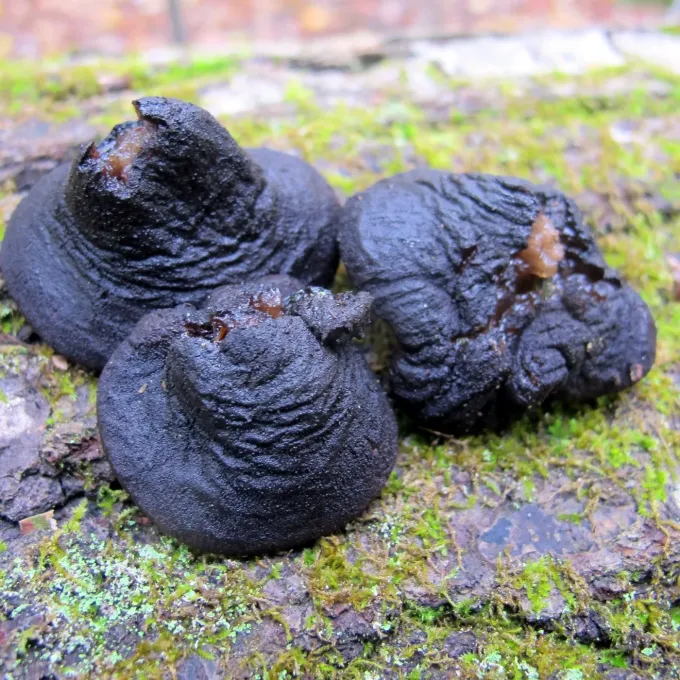
The most visible symptom of Black Bulgariella infection is the presence of coal-black, disc-like apothecia on the tree trunk or branches. These structures are often firmly attached to the bark surface.
Infected areas of the bark typically darken, dry out, and develop deep cracks. The progression of the fungus eventually leads to the localized death of the outer bark layers.
Beneath the affected bark, necrotic lesions appear on the sapwood. As the infection progresses, the disruption of the cambium layer halts nutrient flow, causing branches to wither and die.
Foliage on infected trees may turn yellow prematurely and drop, indicating systemic stress. In advanced stages, the tree exhibits a "stag-headed" appearance with dead tops and dying branches.
Over time, the fruiting bodies can cover large sections of the bark, giving the trunk a blackened, scorched appearance. This often coincides with the peeling of bark plates.
Pathogen
Black Bulgariella (Bulgariella pulla) is a species of ascomycete fungus. It primarily functions as a pathogen attacking weakened or damaged hardwood tree species in forest ecosystems.
The fungus colonizes the bark and cambial tissues, exhibiting both parasitic and saprotrophic behavior. It utilizes the host tree's nutrients to sustain its lifecycle and support reproductive growth.
The life cycle involves the formation of apothecia, which are small, disc-shaped fruiting bodies that emerge through the bark. These structures produce and release spores for dissemination.
The pathogen is highly specialized in its ability to degrade plant cell walls, leading to significant structural damage in the host's vascular tissues. This process disrupts the plant's ability to transport water and minerals.
Environmental conditions dictate the intensity of the pathogen's activity, making it more prevalent in humid and stagnant environments. It persists in infected tissues even during periods of dormancy.
Conditions for development
High humidity and consistent moisture are the primary drivers for the development of Bulgariella pulla. The fungus thrives in dense, shaded areas where air circulation is restricted.
Optimal temperatures for spore development and infection range between 15°C and 25°C. Prolonged periods of rainfall during these temperatures greatly facilitate the spread of the disease.
Mechanical injuries, such as those caused by storms, wildlife, or logging equipment, provide entry points for the fungal spores. Trees with pre-existing stress are significantly more susceptible.
Overcrowded forest stands create a microclimate that traps moisture against the bark, favoring the fungal lifecycle. Poor sunlight penetration also weakens the host tree's natural defense mechanisms.
Stress factors such as drought, nutrient deficiency, or insect infestation predispose trees to colonization by this opportunistic pathogen.
Why it matters
Black Bulgariella causes direct mortality of the cambium, which restricts the tree's growth and structural integrity. This leaves the tree vulnerable to breakage during high winds.
The infection accelerates the development of wood rot, which lowers the commercial quality of the timber. As the wood decays, it becomes unusable for construction or high-value applications.
Extensive infestations lead to the death of trees and the potential degradation of entire forest stands. This results in significant ecological and economic losses for forestry managers.
In parks and ornamental landscapes, the presence of the fungus is aesthetically damaging, often necessitating the removal of the tree to prevent the spread to healthier specimens.
The loss of mature trees alters the canopy structure, leading to changes in the local habitat and biodiversity within the affected area.
Protection
Sanitation is the most effective management strategy. The immediate removal and disposal of infected trees help eliminate the primary sources of fungal spores.
Preventing mechanical damage to healthy trees is crucial. Proper tree care and maintenance practices significantly increase the host's natural resistance to fungal pathogens.
Thinning forest stands improves air circulation and reduces humidity, creating a less favorable environment for the fungus. Regular monitoring allows for early detection and rapid response.
In high-value ornamental trees, localized fungicide treatments can be applied to wounds or affected areas to prevent further colonization by the fungus.
- Removal of deadwood and infected trees.
- Sealing of bark wounds with specialized treatments.
- Improved site drainage and stand thinning.
- Regular health assessments by forestry professionals.
Discussion
No discussions yet — be the first.