
Description
Symptoms
The primary symptom is the emergence of dark spots on the surface of fruits or vegetables, which rapidly expand and deepen into a solid black color.
A dense, powdery layer consisting of fungal spores develops on the infected tissue, giving the affected produce a dusty, blackened appearance.
Infected plant tissues undergo a process of soft decay, where cells lose their structural integrity and convert into a mushy, water-soaked mass.
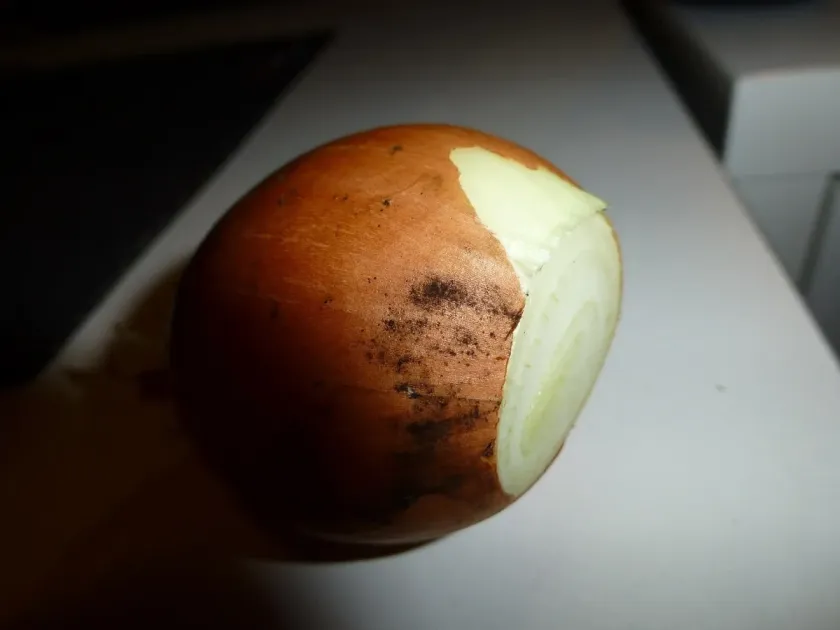
In bulb crops, such as onions, the fungus accumulates as a soot-like layer under the outer dry scales, often remaining hidden until peeling.
Advanced stages of infection lead to the total collapse of the crop, as the fungus consumes the organic matter while releasing large amounts of new spores.
Pathogen
The disease is caused by the fungus Aspergillus luchuensis, a member of the Aspergillus genus that is widely distributed in soil and plant debris globally.
The pathogen is highly efficient at producing conidia, which are small black spores that easily disseminate through air currents, irrigation water, and pests.
While this fungus is utilized in various industrial fermentation processes, it is regarded as a significant opportunistic pathogen in agricultural settings.
The mycelium penetrates plant tissues through mechanical wounds, insect punctures, or natural openings, colonizing the plant from within.
As a resilient organism, it can survive in the soil and on crop residues for extended periods, serving as a constant inoculum source.
Conditions for development
The development of Aspergillus luchuensis is favored by warm temperatures and high relative humidity, which are ideal for spore germination.
Poor ventilation in storage facilities creates stagnant air pockets where moisture accumulates, facilitating rapid fungal proliferation across stored products.
Fluctuating temperatures in storage environments lead to surface condensation on fruits, providing the necessary moisture for the fungus to initiate infection.
Mechanical injuries sustained during harvesting or sorting are the primary entry points for the fungus to establish its colony within the produce.
Insufficient curing or drying of crops post-harvest is a major risk factor, as moisture on the surface acts as a substrate for aggressive fungal growth.
Why it matters
Black mold causes severe economic losses by triggering rapid rot during post-harvest handling, transportation, and long-term storage of crops.
The disease spreads rapidly from infected units to adjacent healthy ones through direct contact or spore dispersal, leading to total inventory loss.
The presence of the fungus and its associated mycotoxins renders the produce unsafe for human consumption or animal feed, resulting in mandatory disposal.
It impacts the marketability of crops, as the unattractive appearance and lack of hygiene standards lead to rejection by distributors and consumers.
The inability to detect hidden infections at the time of harvest often leads to widespread outbreaks within weeks of placing produce into storage.
Protection
Effective prevention starts with proper curing and drying techniques, ensuring that the moisture content of the produce is within safe limits for storage.
Maintaining a controlled storage environment with strict temperature management and constant airflow is crucial to inhibiting fungal growth.
Sanitation is paramount; regular cleaning and disinfection of storage facilities, crates, and harvesting tools significantly reduce the fungal spore load.
Careful sorting before storage, focusing on the removal of damaged or bruised specimens, prevents the initiation of rot clusters within bulk piles.
Good agricultural practices, including balanced fertilization and debris removal, are essential for maintaining plant health and reducing soil-borne inoculum.
Content graph
Connections · Black mold
Most often together:
Marketplace
Products · 1
Community
Discussion
No discussions yet — be the first.