
Hydropus
Hydropus
The genus Hydropus belongs to the family Mycenaceae. These fungi are not pathogens of agricultural crops; they are strictly saprotrophic organisms.
What the section contains
Hydropus
Saprotrophs feed on dead organic matter, such as decaying wood, leaf litter, and forest debris, rather than living plant tissues.
In agronomy, these fungi do not cause any diseases and are considered neutral or beneficial components of the soil ecosystem.
Their biological function involves the production of enzymes that break down complex organic polymers like cellulose and lignin.
By decomposing these substances, they contribute to the nutrient cycle, transforming biomass back into soil-enriching minerals.
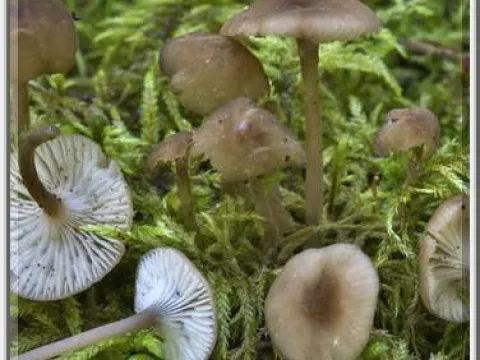
The presence of Hydropus is detected by the appearance of their fruiting bodies, typically small mushrooms with thin stalks.
These mushrooms often grow in small clusters on decaying wood, fallen branches, or dense leaf litter in moist environments.
The gills underneath the cap may be decurrent or adnate, which is a key diagnostic feature for mycologists identifying the species.
The mycelium itself remains hidden within the substrate, actively decomposing the material and preparing for reproductive cycles.
Visual identification usually requires expert examination, as many small mushroom genera share similar morphological traits.
Growth is highly dependent on environmental moisture levels, as these fungi thrive in high-humidity habitats.
They prefer cool, shaded areas where temperatures remain stable, typically within the range of 12°C to 20°C.
Forest floors and neglected woody debris areas provide the optimal substrate for their mycelial network to spread.
Prolonged rainfall creates the necessary conditions for the emergence of visible fruiting bodies from the soil or wood surface.
In industrial agricultural settings, intensive soil management often prevents the accumulation of the organic substrate these fungi need.
There is no agricultural harm associated with the genus Hydropus, as they do not attack living host plants.
They are not considered pests, and their impact on cultivated soil fertility is generally positive due to organic decomposition.
No economic damage to yields or reduction in plant quality has ever been attributed to these fungi.
They do not produce toxins that would affect common agricultural crops or soil microflora balance.
Farmers do not need to implement any eradication strategies, as these fungi occupy a non-interfering niche.
No chemical or biological control measures are required because Hydropus is not a plant pathogen.
If their presence is undesirable in aesthetic settings, simple mechanical removal of the substrate is effective.
Good agricultural practices, such as maintaining soil drainage and clearing debris, naturally discourage their growth.
General cleanliness around fields and nurseries helps prevent the buildup of decaying materials that support saprotrophic fungi.
- Maintain proper drainage in fields.
- Remove excess woody debris.
- Ensure adequate soil aeration through tillage.