
Hendersoniosis
Hendersonia
The causative agent of Hendersoniosis is a group of fungi belonging to the genus Hendersonia, which are classified as coelomycetes. These fungi are characterized by the production of pycnidia, small flask-shaped structures that release conidia responsible for the primary and secondary infection cycles.
What the section contains
Hendersoniosis
The fungus can survive for extended periods as saprophytes in dead plant matter, decaying leaves, or infected woody tissues. Its resilience allows it to overwinter easily, serving as a constant source of inoculum for the upcoming growing season.
Conidia are primarily disseminated through water splashing from rainfall or irrigation systems, which transfer spores from infected debris to healthy green tissues. Wind also plays a role in the long-distance transmission of the pathogen.
Once settled on a host plant, the spores germinate and penetrate the tissue through stomata or mechanical injuries. The mycelium then colonizes the intercellular spaces, secreting enzymes that degrade plant cell walls, leading to tissue necrosis.
The biological cycle is heavily dependent on moisture. Because Hendersonia has a wide host range, it can persist in diverse agricultural environments, making it a challenging pathogen to eradicate once it becomes established in a plot.
The most common symptom of Hendersoniosis is the formation of necrotic spots on leaves. These spots initially appear as small discolorations that gradually expand, turning brown or greyish-brown with a distinct darker margin.
A hallmark sign of the infection is the development of pycnidia, which appear as tiny, dense, black specks within the center of the necrotic spots. These reproductive bodies are often visible to the naked eye, allowing for relatively easy field identification.
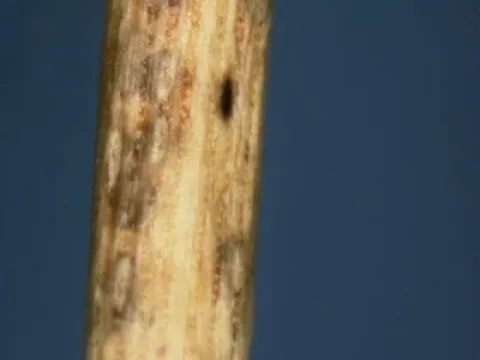
As the infection advances, leaves may undergo chlorosis, wither, and drop prematurely. On woody stems and branches, the fungus can cause localized lesions, leading to canker formation or dieback of terminal shoots.
During periods of high humidity, the surface of the lesions may host a thin, often glistening layer of fungal spores. This is a critical stage for the disease, as the spores are highly contagious to neighboring plants.
The overall impact on the plant includes a general reduction in vigor. In severe cases, the cumulative effect of spot enlargement and tissue death can lead to the deformity of affected parts and significantly reduced growth rates.
The development of Hendersoniosis is profoundly influenced by microclimatic conditions, with high humidity and moderate temperatures being the primary drivers. Constant moisture on leaf surfaces provides the ideal environment for spore germination.
Poor ventilation is a significant risk factor. Dense plantings or unpruned tree canopies trap moisture and prevent the foliage from drying quickly after rainfall. This sustained wetness significantly increases the probability of fungal colonization.
The ideal temperature range for the pathogen's growth typically falls between 18°C and 25°C. Under these conditions, the fungus can complete its reproductive cycle rapidly, leading to the rapid spread of the disease through a field or garden.
Plants already stressed by nutritional deficiencies, improper watering, or secondary pests are significantly more susceptible to infection. Stressed plants lack the physiological defenses necessary to prevent the fungus from penetrating their surface.
Poor sanitation practices are the main driver of disease carryover. Failing to remove fallen leaves and infected plant debris allows the fungus to remain in the vicinity, ensuring that the disease returns with renewed vigor the following year.
The harm caused by Hendersoniosis stems from the impairment of the plant's photosynthetic capacity. When a significant portion of the leaf area is covered in necrotic spots, the plant's ability to produce energy is severely compromised.
Premature leaf drop is a major concern for perennial crops, as it depletes the stored energy reserves necessary for winter survival. This often leads to increased susceptibility to cold damage and overall reduced longevity of the plant.
In ornamental plants, Hendersoniosis causes significant aesthetic damage, rendering plants unsalable or unsuitable for landscape use. This results in direct economic losses for nurseries and garden centers.
In agricultural settings, particularly with fruit or vegetable crops, the fungus can lead to reduced fruit yields and lower quality produce. The infection can occasionally spread to reproductive parts, causing direct yield loss.
The need for repeated fungicide treatments adds to the operational costs of maintaining healthy crops. Without timely intervention, the persistent nature of the disease can cause long-term productivity issues in the affected area.
Controlling Hendersoniosis requires a multi-pronged approach that prioritizes sanitation and preventative care. Removing and destroying fallen leaves and infected plant parts is essential to break the infection cycle.
Proper horticultural techniques, including spacing plants adequately and performing regular pruning, improve air circulation and sunlight penetration. This helps keep the foliage dry and creates an environment less conducive to fungal growth.
Fungicide application is an effective tool when used as part of a scheduled management program. Treatments are most effective when applied before disease onset or immediately upon the detection of the first symptoms.
Maintaining plant health through balanced fertilization, especially with potassium, strengthens cell walls and improves natural resistance. Vigorous plants are much more capable of walling off localized infections.
- Regular cleanup and disposal of infected plant material
- Selection of resistant plant varieties or cultivars
- Pruning to ensure adequate air circulation and canopy drying
- Timely fungicide applications based on local monitoring