
Hemp streak
Hemp streak
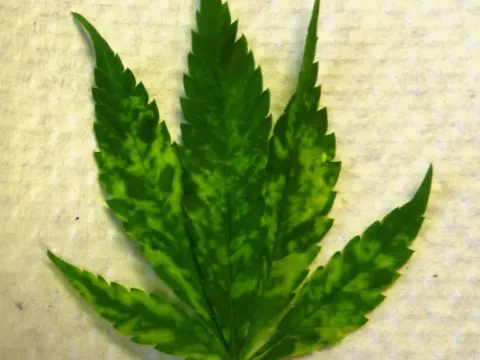
The primary symptom of hemp streak is the emergence of characteristic chlorotic streaks on the leaf blades. These streaks appear pale green or yellow and typically follow the leaf venation patterns.
What the section contains
Hemp streak
As the disease progresses, the streaks may coalesce, covering larger areas of the leaf surface with chlorotic tissue. Infected hemp plants show significant stunting compared to healthy specimens in the same growth stage.
Leaf deformation occurs less frequently than with other viral pathogens, but the overall morphology of the canopy may become distorted. The plant takes on a sickly appearance, which is particularly noticeable during the vegetative growth phase.
Stem symptoms may include slight mottling or streaking, especially visible as the plant reaches the flowering stage. The photosynthetic activity is reduced due to the breakdown of chlorophyll in the affected areas.
Proper diagnosis is essential as these visual symptoms can sometimes be confused with nutritional deficiencies or other environmental stressors affecting the crop.
The pathogen responsible for hemp streak is a virus that systematically infects the host plant. It is a biological agent that spreads effectively through mechanical contact and insect vectors.
The virus enters the plant through small wounds in the epidermis, often caused by agricultural equipment, handling, or pest activity. Once inside, it utilizes the plant's vascular system for systemic spread.
Perennial weeds surrounding the field often serve as the primary reservoir for the virus during the off-season. The virus can persist in the root systems of these wild hosts until the next growing cycle.
Aphids and leafhoppers are the most common vectors, feeding on infected plant sap and then transmitting the virus to healthy hemp plants during subsequent feeding sessions.
Environmental stability of the virus is moderate, making host-to-host transmission the primary driver of disease epidemics within a commercial hemp field.
Disease development is favored by warm and humid conditions, which boost both the metabolic activity of the plant and the population density of the insect vectors. Rapid spread usually occurs mid-season.
Dense planting patterns promote the rapid transmission of the virus by allowing foliage to touch, facilitating mechanical spread. High-density crops are more prone to widespread outbreaks.
Plants under stress from poor soil fertility or drought are significantly more susceptible to infection. A weak plant lacks the physiological defenses required to contain the viral spread.
Poor crop rotation practices contribute to the accumulation of both the virus and its insect vectors in the local ecosystem. Consecutive cropping in the same field increases infection risk.
Early-season infection is the most damaging, as it allows the virus to populate the entire plant body long before the plant reaches its full biomass potential.
Hemp streak causes significant economic loss by reducing the final yield of fiber. The infection slows down growth rates, leading to thinner and shorter stems at harvest time.
The quality of the fiber is compromised due to impaired physiological processes, making it less suitable for high-end industrial textile applications. Lower quality results in reduced market value.
Seed production is negatively affected, with infected plants often showing reduced viability and lower germination rates in the harvested seeds. Reproductive development can be stunted.
Premature senescence of the plants alters the harvesting schedule, causing logistical challenges for growers. In severe cases, the entire crop quality may be downgraded.
The field becomes a center of infection, posing a high risk to neighboring crops and future hemp plantings. Effective control is necessary to protect the regional industry.
The primary control measure is the rigorous management of weeds, especially those that act as alternate hosts for the virus. Keeping field margins clear is a crucial preventative step.
Insecticide applications are necessary to manage the population of vectors like aphids and leafhoppers. Treatment should be timed with the peak activity of these pests to prevent transmission.
Only certified, virus-free seeds should be used for planting. Ensuring a clean start is the most effective way to prevent early-season outbreaks in a new field.
Maintaining adequate spatial isolation between fields and avoiding monoculture practices helps limit the spread. Rotation with non-host crops is highly recommended.
Frequent scouting of the fields allows for the detection of early infection. Removing and destroying individual symptomatic plants can help prevent the disease from spreading to the entire population.