
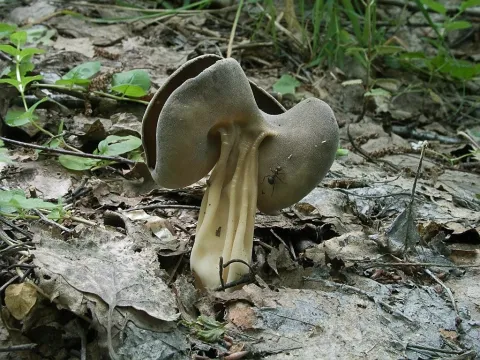
Helvella
Helvella
Helvella is a genus of ascomycete fungi commonly known as false morels or saddle fungi. It is essential to clarify that Helvella species are not plant pathogens and do not cause diseases in agricultural crops.
What the section contains
Helvella
These fungi function primarily as saprotrophs, meaning they obtain nutrients by decomposing dead organic matter, such as leaf litter and woody debris in forest environments.
The mycelium of Helvella colonizes soil rich in humus, contributing to the decomposition cycle rather than attacking living plant tissues. They lack the pathogenic mechanisms required to infect agricultural plants.
Unlike parasitic fungi that cause wilting, root rot, or lesions, Helvella species live in symbiosis or saprobic harmony with their environment without damaging host plants.
Misidentifying Helvella as a plant disease is a misunderstanding in agricultural diagnostics, as these organisms are harmless to crops and play a positive ecological role.
The development of Helvella requires high moisture levels and a substrate rich in decaying organic material. They are most commonly found in shaded, humid forest floors.
These fungi thrive under cool, moist conditions during the spring and autumn months. Consistent soil humidity is the most critical factor for the emergence of their distinctive fruiting bodies.
Helvella species rarely grow in cultivated fields because standard agricultural practices, such as plowing and chemical fertilizer application, destroy their natural habitat.
The presence of decomposing wood in the soil provides the necessary carbon sources for their mycelial growth, which distinguishes them from root-infecting pathogens.
Spore dispersal occurs via wind, allowing the fungus to spread across vast areas. However, because they are saprotrophs, this spread poses no threat to the health or yield of vegetable or cereal crops.