
Helvellaceae
Helvellaceae
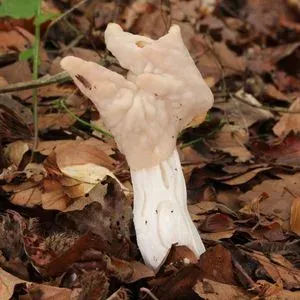
Description
Pathogen
The Helvellaceae family represents a group of ascomycete fungi known for their unique saddle-shaped or convoluted caps. These organisms are not plant pathogens and do not cause diseases in agricultural crops.
As saprotrophic fungi, their primary role is the decomposition of organic matter, such as leaf litter and decaying wood, rather than attacking living plant tissues.
They do not produce specialized infection structures like haustoria or appressoria, which are common in parasitic fungi that infect field crops.
Their biological life cycle is strictly bound to natural forest environments where organic material is abundant on the forest floor.
There is no evidence of Helvellaceae causing yield loss or damage to agricultural production, making them ecologically neutral regarding farming activities.
Conditions for development
Helvellaceae fungi require specific environmental conditions found in temperate woodlands to thrive and produce their fruiting bodies.
High soil moisture combined with consistent organic matter supply is essential for their mycelium to remain active throughout the season.
Shaded habitats are preferred, as these mushrooms are sensitive to UV radiation and rapid dehydration caused by direct sunlight exposure.
They often appear during cool, moist periods of the year, particularly in spring or late autumn when the soil temperature remains stable.
The absence of soil disturbance is critical, as these fungi are sensitive to changes in soil structure, such as those caused by tillage, herbicide application, or chemical fertilization.
Discussion
No discussions yet — be the first.