
Helvella acetabulum
Helvella acetabulum
Description
Pathogen
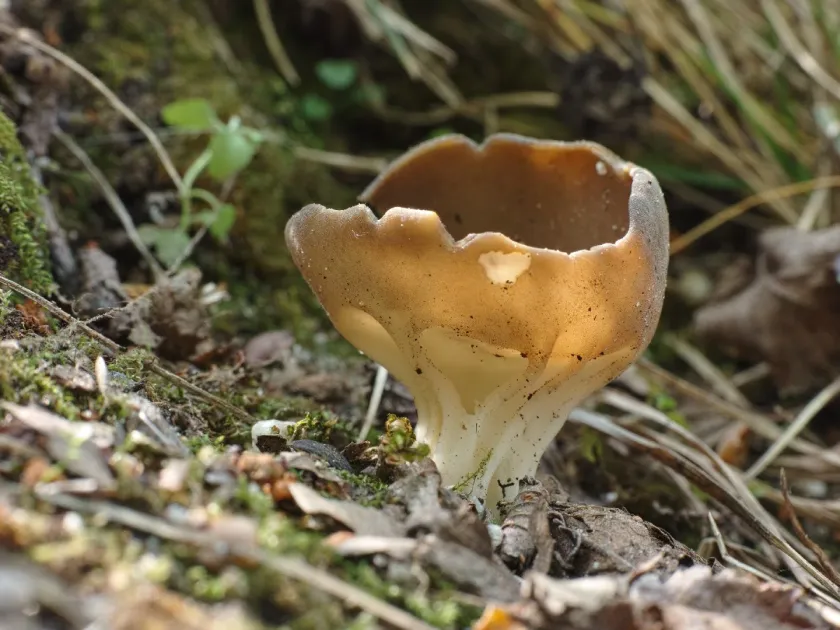
Helvella acetabulum, known as the vinegar cup or the edible but toxic when raw, is an ascomycete fungus belonging to the Helvellaceae family.
While often confused with plant pathogens due to its presence in agricultural fields, this organism is strictly a saprotroph that feeds on dead organic matter.
The fungus develops a distinctive cup-shaped fruiting body that emerges from the soil after the mycelium has sufficiently colonized the nutrient-rich substrate.
Its biological cycle is focused on the decomposition of leaf litter and woody debris, playing a role in nutrient cycling within the forest floor and occasionally in garden soils.
It is not a parasite of living plant tissues and does not induce systemic infections, yet it is often classified under mycological profiles relevant to soil health management.
Conditions for development
This fungus thrives in environments with high moisture content and moderate temperatures, which are essential for the production of its fruiting bodies.
Sites with heavy shade, such as areas under dense crop canopies or near windbreaks, are ideal for its development due to retained humidity.
Helvella acetabulum shows a preference for soils that are rich in organic matter, specifically in areas where decomposition processes are active and visible.
Optimal growth occurs in the spring, triggered by consistent rainfall and soil temperatures that do not fluctuate significantly during the day.
Soil compaction can indirectly support the growth of this fungus by preventing rapid drainage, thereby maintaining the high water potential required for mycelial expansion.
Why it matters
Helvella acetabulum is generally considered harmless to crops, as it does not invade or damage the vascular system or root tissue of plants.
However, its prevalence can be a bio-indicator of poor soil aeration and excessive organic debris, which could be favorable for other more destructive plant pathogens.
The presence of dense mycelial mats might slightly alter the chemical composition of the rhizosphere, potentially affecting nutrient uptake in sensitive young plants.
Furthermore, the presence of these fungi in a commercial field can be considered a nuisance, impacting the aesthetic quality and safety of harvest areas.
It should be noted that raw consumption of the fungus causes toxic reactions, presenting a health risk if accidentally mixed with agricultural produce.
Protection
Standard agronomic practices such as deep tillage and regular soil cultivation are highly effective at disrupting the fungal network.
Ensuring proper sanitation by removing excessive organic matter and crop residues significantly reduces the food source available for saprotrophic fungi.
Implementing a proper drainage system and managing irrigation levels can lower soil moisture to levels that inhibit the development of Helvella fruiting bodies.
If chemical intervention is deemed necessary, general broad-spectrum fungicides or copper-based treatments can effectively inhibit the development of soil-dwelling fungi.
Maintaining a balanced soil ecosystem with beneficial microbial inoculants helps suppress the growth of unwanted opportunistic fungi through competition for nutrients.
Discussion
No discussions yet — be the first.