
Handkea
Handkea
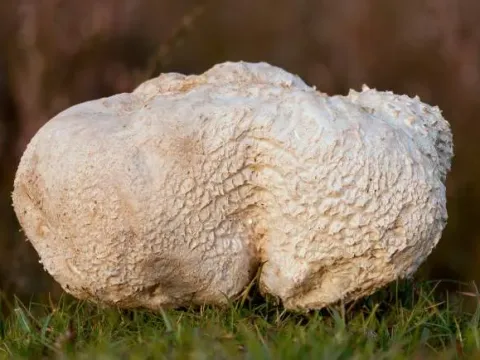
Handkea is a genus of fungi belonging to the Agaricaceae family, visually characterized by their puffball-like fruiting bodies.
What the section contains
Handkea
The fruiting bodies typically appear as globose or pear-shaped structures that emerge from the soil surface after periods of rainfall.
The outer surface, known as the peridium, often displays a grainy or scaly texture that cracks as the fungus matures and prepares to release spores.
A primary diagnostic sign is the discharge of a dense, brownish cloud of microscopic spores when the mature fungus is disturbed or squeezed.
These fungi frequently develop in clusters on nutrient-rich soils, decaying wood, or well-mulched garden beds where organic matter accumulates.
Handkea operates primarily as a saprotrophic organism, meaning it derives its nutrition from decaying organic matter rather than living plants.
While it is not a primary plant pathogen, its dense mycelial mats can interact with the rhizosphere and influence soil nutrient availability.
The fungus plays an ecological role in breaking down complex plant polymers like lignin and cellulose through enzymatic degradation.
Reproduction is facilitated through the production of massive quantities of spores, which are disseminated by wind, water, and animal activity.
The fungal mycelium remains dormant in the soil during unfavorable conditions and reactivates rapidly when moisture and temperature levels rise.
Optimal growth conditions for Handkea include high soil humidity and moderate ambient temperatures, typically following persistent precipitation.
The fungus thrives in environments with high levels of organic debris, including old wood, bark mulch, and accumulated leaf litter.
Poor soil aeration and stagnant water conditions provide the necessary environment for the fungus to expand its mycelial network significantly.
Shaded locations or areas with low sun exposure are preferred by these fungi for maintaining the required moisture in the topsoil layer.
Heavy application of nitrogenous fertilizers can alter the microbial balance of the soil, potentially favoring the colonization of Handkea species.
Handkea does not typically attack healthy plants directly, yet it creates competitive pressure by consuming resources intended for garden crops.
Extensive mycelial growth can lead to soil compaction, which restricts oxygen access to plant roots and inhibits nutrient uptake efficiency.
In ornamental landscaping, the emergence of these fungi is often considered an aesthetic issue, as they disrupt the uniformity of lawn surfaces.
Large quantities of airborne spores can trigger respiratory irritation or allergic reactions in sensitive individuals working in affected areas.
The presence of decomposing organic matter and fungi may attract opportunistic pests or serve as a micro-environment for secondary decay organisms.
Effective management begins with strict sanitation, such as removing rotting wood, excessive mulch, and debris from the gardening site.
Improving soil drainage and aeration is a crucial preventive measure to reduce the humidity levels that support the fungal growth.
Frequent mechanical cultivation or tilling of the soil helps to break up mycelial networks and prevents the formation of large fruiting bodies.
Adjusting the soil pH through liming can create conditions that are less hospitable for many saprotrophic fungal species.
In cases where control is necessary, maintaining a balanced watering schedule and avoiding over-irrigation will naturally suppress the fungus.