
Hapalopilus
Hapalopilus
Hapalopilus is a genus of fungi belonging to the order Polyporales, which act as destructive wood-decaying pathogens. Hapalopilus nidulans is the most notable species, causing significant brown rot in various deciduous trees.
What the section contains
Hapalopilus
This fungus is a basidiomycete that thrives by decomposing the internal structure of wood, eventually leading to structural failure of the host plant.
It is characterized by its ability to selectively digest cellulose, which leaves the lignin matrix behind, resulting in the characteristic brittle and cubical appearance of the wood.
Reproduction occurs through airborne spores released from the fungal fruiting bodies, which easily colonize any available exposed timber or wounded bark surfaces.
A distinctive feature of this genus is that its fruiting bodies undergo a chemical reaction in the presence of alkaline substances, turning into a vivid violet or purple color.
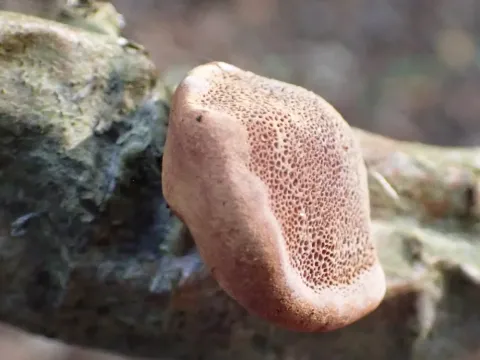
The primary visual indicator of an infection is the emergence of bracket-like fruiting bodies (polypores) on the bark of tree trunks or large branches.
Internally, the infected wood turns a deep reddish-brown color, becomes brittle, and fragments into small, dry, cubical pieces when touched.
Common symptoms in living trees include reduced canopy density, premature leaf drop, and stunted growth of younger twigs.
As the infection progresses, white mycelial mats may become visible within the cracks of the tree bark or beneath the outer surface.
In advanced stages, the tree may exhibit hollow sections, significantly increasing the risk of structural failure and collapse during severe weather events.
High relative humidity and moderate temperatures are the primary environmental factors that promote the growth and spread of this fungal disease.
The fungus typically requires a point of entry to infect a tree, which is often provided by mechanical wounds, frost cracks, or improper pruning cuts.
Older or physiologically stressed trees are at the highest risk, as their natural immune systems are less capable of compartmentalizing fungal invasions.
Poor ventilation and dense planting schemes create an ideal microclimate for the accumulation of spores and the establishment of new infections.
Excessive moisture retention in the soil or crown area of the tree further exacerbates the vulnerability of the plant to fungal colonization.
Hapalopilus poses a severe threat to broad-leaved trees, including species like oak, birch, and various nut-bearing trees in orchards.
The economic impact is significant as the fungus compromises the stability and aesthetic value of trees in urban parks and private gardens.
Because the disease operates internally, it is often difficult to detect until the fungus has already caused extensive damage to the tree's structural core.
Trees affected by this pathogen become safety hazards, as they can lose the ability to support their own weight and collapse without prior warning.
The persistence of the fungus in stumps and woody debris means it can continue to infect new hosts for many years if not properly managed.
Effective control starts with sanitation: removing dead or dying branches and ensuring that all pruning cuts are clean and protected with wound sealants.
Regular inspection of tree trunks for fruiting bodies is critical, and any found should be removed and destroyed by burning to prevent further spore release.
Maintaining the overall health of the tree through correct watering, mulching, and pest management is the best defense against fungal invasion.
Avoid injuring the tree bark during maintenance activities, as these wounds provide the primary gateway for the fungus to infiltrate the wood.
If a tree is heavily infected, it is often necessary to remove the entire tree and grind the stump to eliminate the source of the fungal inoculum.