
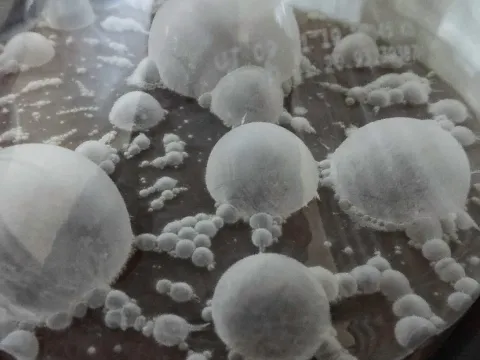
Hansenula
Hansenula
Hansenula is a genus of ascomycetous yeasts known for their high fermentation activity and significant impact on agricultural commodities and plant health.
What the section contains
Hansenula
These microorganisms are characterized by their ability to produce aromatic esters, which results in the characteristic off-flavors associated with their presence in affected grains or fruits.
Taxonomically, many species formerly in this genus are now grouped under Wickerhamomyces, but the term Hansenula remains common in agricultural pathology practice.
The fungus acts primarily as an opportunistic pathogen, taking advantage of physiological stress in plants or inadequate storage conditions in post-harvest environments.
Their biological resilience, including the formation of robust spores, allows these yeasts to persist in soil, crop residues, and equipment, waiting for favorable conditions to colonize organic matter.
The primary factor triggering the growth of Hansenula is high moisture content, which is essential for the metabolic activity of yeast-like fungi during the storage phase.
Optimal development occurs at temperatures between +20°C and +30°C, though the species is noted for its ability to survive and even grow under fluctuating temperature conditions.
Inadequate ventilation in grain silos or fruit storage facilities leads to moisture accumulation, creating a micro-environment that perfectly supports rapid fungal colonization.
Physical injuries to the surface of crops, caused by pests or harvesting equipment, provide easy entry points for the yeast, allowing it to penetrate and degrade internal tissues.
High relative humidity combined with poor aeration is the most critical risk factor for the explosive spread of this pathogen throughout stored batches of agricultural products.
Hansenula causes significant damage by degrading the quality of crops, leading to a marked decrease in the commercial value of harvested products and raw materials.
The presence of the fungus induces active fermentation, which results in unpleasant odors and changes in chemical composition, rendering the material unsuitable for processing.
Seed germination rates can be severely impacted, as the yeast consumes essential nutrients within the seed, significantly weakening the emerging plantlet.
The production of secondary toxic metabolites can potentially reduce feed safety, making infected grain dangerous for livestock consumption in large quantities.
Widespread infestation leads to direct economic losses for farmers, as entire inventories can become contaminated and unsellable if initial outbreaks are not controlled.
The most effective strategy is to ensure thorough drying of grains and fruits to below critical moisture levels before placing them into long-term storage facilities.
Maintaining a strictly controlled atmosphere with adequate ventilation and cooling in warehouses is essential for preventing yeast and mold outbreaks.
Regular sanitation of storage bins, conveyors, and transport vehicles helps minimize the initial inoculum load that can lead to large-scale contamination.
The use of preventive seed treatments and appropriate fungicides during the growing season helps to reduce the overall fungal pressure on crops before harvesting.
- Implement strict moisture control protocols;
- Ensure proper aeration and cooling in storage;
- Sanitize all processing and storage equipment regularly.