
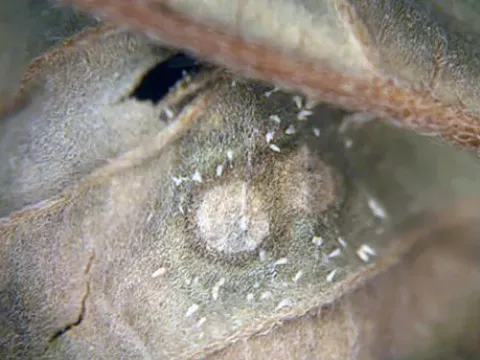
Grovesinia leaf spot
Grovesinia pruni
The causal agent of this disease is the fungus Grovesinia pruni. It is a specialized pathogen that primarily targets species within the Prunus genus, leading to necrotic spots on foliage and fruit.
What the section contains
Grovesinia leaf spot
The life cycle of the fungus is closely linked to overwintering on debris. Apothecia develop on fallen leaves and mummified fruit, releasing spores when environmental conditions become suitable in spring.
Grovesinia pruni is a persistent pathogen capable of surviving in the soil and leaf litter, which makes it a chronic issue in orchards where sanitation is neglected.
Biology of the fungus involves rapid colonization of leaf tissues, often leading to systemic weakening of the host tree if environmental conditions support its growth.
Research indicates that the pathogen can form resilient structures that withstand adverse temperature fluctuations, ensuring its survival across multiple growing seasons.
Initial symptoms include small, circular spots on leaves that gradually enlarge, often turning brown with a lighter, chlorotic margin appearing around the affected area.
As the infection progresses, leaf tissues may become brittle and drop prematurely, leading to early defoliation that impacts the tree's health before dormancy.
On fruit, the disease manifests as sunken, dark lesions that deform the fruit surface, eventually rendering the harvest unusable for commercial purposes.
Close inspection of damaged areas often reveals small black dots, which are the fungal fruiting structures appearing when humidity levels are sufficiently high.
Shoot dieback or localized necroses can also occur in severe cases, indicating that the infection has moved beyond the foliage and fruit into woody tissues.
High humidity and frequent rainfall are the primary drivers for the development of Grovesinia pruni, particularly during the critical stages of spring leaf emergence.
Poor orchard ventilation due to dense canopy growth creates a microclimate that prevents rapid drying of leaves, providing the perfect environment for spore germination.
The fungus thrives within a moderate temperature range, typically between 15°C and 22°C, which coincides with the most active growing season of plum trees.
Extended periods of morning dew or heavy fog maintain the leaf surface moisture necessary for the fungus to penetrate the plant cuticle successfully.
Limited sunlight exposure, common in neglected or poorly pruned orchards, inhibits the natural UV sterilization of leaves, allowing the fungus to spread unchecked.
The primary damage is economic, as the disease significantly reduces the marketable yield by damaging the appearance and quality of the plums.
Early leaf drop forces the tree to utilize its energy reserves prematurely, weakening its overall vigor and making it less cold-hardy during winter months.
Continued infection cycles over several years can lead to the decline of tree productivity and structural damage to twigs and smaller branches.
Increased reliance on chemical control measures to manage the infection adds to the production costs and increases the environmental footprint of the orchard.
Nurseries affected by this pathogen face significant losses due to stunted growth and the inability to sell infected nursery stock to consumers.
Rigorous sanitation is the cornerstone of management; removing fallen leaves and mummified fruit drastically reduces the primary inoculum source for the next season.
Pruning is essential to improve airflow throughout the canopy, ensuring that leaves dry quickly after rain and reducing the duration of infection-prone moisture.
Fungicide applications, particularly during early growth stages, are vital for protecting foliage and preventing initial infection cycles from taking hold.
Adhering to resistance management strategies, such as rotating different classes of fungicides, is crucial to prevent the fungus from developing chemical resistance.
- Thorough cleanup of orchard floor debris in autumn.
- Application of copper-based fungicides during the dormant season.
- Strategic pruning to increase light penetration.
- Regular monitoring for early signs of necrotic spots.