
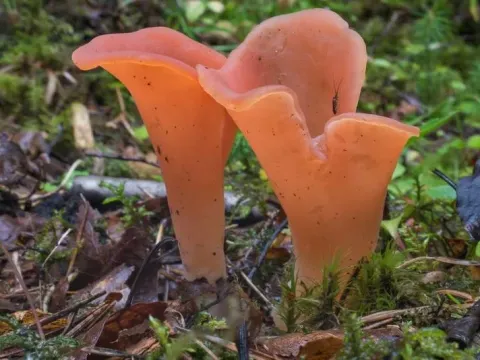
Guepinia
Guepinia
Guepinia, specifically the species Guepinia helvelloides, is a type of basidiomycete fungus belonging to the Auriculariales order. While often acting as a saprotroph on decaying wood, it can exhibit pathogenic behavior on stressed or damaged woody plants.
What the section contains
Guepinia
The biological structure of the fungus is characterized by gelatinous, tongue-shaped or funnel-shaped fruit bodies. These structures possess a cartilaginous texture and can significantly swell under humid conditions.
Reproduction is facilitated by spores released into the environment, which travel via wind or water droplets. Once they land on bark crevices or open wounds, the spores germinate and initiate the colonization process.
The fungal mycelium penetrates deep into the wood tissue, secreting enzymes that break down lignin and cellulose. This process weakens the structural integrity of the plant host over time.
Guepinia demonstrates significant resilience, allowing it to survive across various environmental conditions, making it a common find in damp forest ecosystems and neglected orchard plots.
The primary symptom is the appearance of vibrant orange or reddish-pink, jelly-like fruiting bodies protruding from the bark of trees or decaying wood.
Infected live plants may show visible signs of stress, including stunted growth, thinning of the crown, and premature chlorosis or necrosis of specific branches.
Examination of the affected wood often reveals internal decay, loss of hardness, and unusual discoloration, indicating that the fungus has compromised the xylem structure.
During periods of high humidity, the fungal growth becomes particularly prominent as the fruit bodies absorb water, making them highly visible against the bark.
- Bright jelly-like growths on trunks or branches.
- Gradual decline and dieback of woody tissue.
- Softening of wood structure.
- Unusual bark discoloration around infection sites.
High humidity and consistent moisture are the most critical factors for the development of Guepinia. Rainfall and fog provide the necessary environment for the fruiting bodies to emerge.
The fungus thrives in poorly ventilated, shaded environments where moisture remains trapped on the surface of the bark for extended periods.
Mechanical damage to the tree, such as frost cracks, pruning wounds, or storm damage, serves as a primary entry point for fungal spores to colonize the tree.
Poor orchard sanitation, including the presence of decaying stumps or woody debris, maintains a high inoculum level, increasing the risk of infection to nearby healthy trees.
Moderate temperatures during the growing season support active mycelial growth, allowing the fungus to spread steadily throughout the affected substrate.
The primary threat posed by Guepinia is the structural degradation of the wood, which can lead to branch failure or the collapse of the entire tree in extreme cases.
By weakening the tree, the fungus serves as a secondary stressor, reducing the plant's overall vitality and making it more susceptible to other pests and opportunistic pathogens.
In ornamental landscaping, the presence of the fungus diminishes the aesthetic value of trees, leading to an unsightly appearance and canopy loss.
If the infection reaches the root crown or the main trunk, the damage can become fatal to the plant, as it disrupts the flow of water and nutrients.
Management of the harm caused by this fungus involves considerable time and labor for the removal of infected wood and the prevention of further spread.
Strict sanitation is the most effective prevention strategy. Always remove decaying stumps and woody debris from the vicinity of healthy trees to reduce the infection source.
Proper pruning techniques are essential. All cuts must be sealed with professional pruning paste or wound paint to prevent spore entry and promote rapid healing.
Ensure adequate air circulation in the tree canopy and maintain balanced soil moisture to discourage the humid microclimates that fungi require to thrive.
If fungal bodies are observed, they should be manually removed and burned or disposed of safely to prevent spores from blowing onto other plants.
Regular monitoring and the application of contact fungicides during peak moisture periods can help suppress fungal activity and protect vulnerable bark surfaces.