
Grovesinia
Grovesinia
Grovesinia is a genus of fungi within the order Helotiales, known primarily for its pathogenic impact on various plants, including horticultural and agricultural species.
What the section contains
Grovesinia
The species Grovesinia pyramidalis is the most recognized member, frequently identified as the causal agent of specific systemic rots in crops.
This pathogen is characterized by its ability to persist in the environment through the formation of sclerotia, which serve as long-term survival structures.
Biological studies indicate that the fungus thrives in the organic matter present in the soil, from which it spreads to the host plants.
As an aggressive phytopathogen, it utilizes a wide range of enzymatic mechanisms to degrade plant cell walls, leading to rapid tissue decay.
The initial signs of Grovesinia infection often appear as water-soaked lesions that develop on leaves, stems, or fruits, quickly expanding in size.
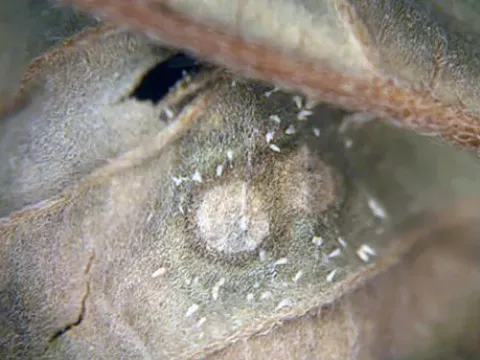
Under humid conditions, the affected areas are usually covered by a white or greyish fluffy mycelial mat, which is a diagnostic feature of the disease.
As the infection progresses, the tissues become necrotic and mushy, eventually collapsing completely under the weight of the developing fungal colony.
Small, dark, and hard structures known as sclerotia emerge within the decayed tissue as the fungus prepares for survival and future dispersal.
Stem lesions can lead to the wilting of the entire plant or specific branches, effectively cutting off nutrient and water transport to the upper parts.
The development of Grovesinia is heavily dependent on high relative humidity, typically exceeding 80%, which is necessary for spore germination.
Moderate temperatures ranging from 18°C to 24°C provide the optimal metabolic environment for the rapid growth and colonization of the host plant.
Poor airflow, often found in high-density plantings or greenhouses, significantly exacerbates the spread of the pathogen between individual plants.
Prolonged wetness on foliage or stems, often caused by overhead irrigation or poor drainage, creates a perfect breeding ground for the infection.
The presence of initial inoculum in the form of soil debris ensures that the disease can reappear annually if sanitation measures are ignored.
The damage caused by Grovesinia results in significant economic losses due to the destruction of marketable produce and the death of young plants.
In cases of severe infestation, entire harvests can be lost within a very short timeframe if control measures are not implemented immediately.
Fruit and vegetable spoilage not only occurs in the field but also affects post-harvest quality, rendering the yield unmarketable.
Repeated cycles of the disease lead to a buildup of the pathogen in the soil, making it increasingly difficult to grow susceptible plants on the same site.
The rapid tissue rot disrupts plant physiology, leading to complete wilting and crop failure, which necessitates expensive remedial agronomic actions.
Integrated pest management (IPM) is essential for controlling Grovesinia, focusing on both cultural and chemical intervention strategies.
Sanitation practices such as the removal and destruction of crop residues are critical to reducing the primary inoculum source in the field.
Improving air circulation through wider planting spacing and pruning helps to lower local humidity, effectively hindering the spread of the fungus.
Application of fungicides during high-risk weather periods provides a protective barrier and helps prevent the establishment of the pathogen.
- Rotation of crops with non-host species;
- Strict regulation of irrigation to avoid foliage wetting;
- Disinfection of farming tools and equipment;
- Monitoring fields for early detection of necrotic spots.