
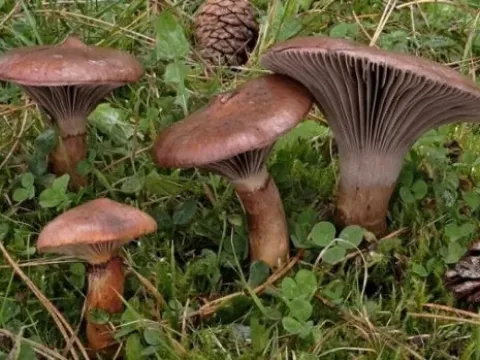
Gomphidius viscidus
Gomphidius viscidus
Gomphidius viscidus, known as the purple-brown slime cap, is a basidiomycete fungus that is not a plant pathogen.
What the section contains
Gomphidius viscidus
It is classified as a mycorrhizal fungus, meaning it maintains a symbiotic relationship with the root systems of coniferous trees, particularly pines.
The fungus does not cause diseases in plants; rather, it provides the tree with essential nutrients and water from the soil in exchange for carbohydrates.
Its biological cycle is strictly associated with the forest floor ecosystem where it establishes ectomycorrhizae with its host tree.
The presence of this fungus is an indicator of a healthy forest soil ecosystem where tree growth is supported by complex fungal networks.
The primary indicators of this fungus are the fruiting bodies that emerge from the soil in late summer and autumn.
The cap is characteristically slimy, typically purple-brown or copper-colored, and ranges from convex to funnel-shaped.
The gills underneath the cap are widely spaced and decurrent, changing color from ochre to dark brown as the spores mature.
The stem is robust and often shows a color gradient, sometimes with a yellowish-brown tint near the base of the fungus.
Because of its sticky surface and specific pigmentation, the purple-brown slime cap is easy to distinguish from other local species.
The development of fruiting bodies depends on the health of the host pine trees and specific environmental conditions.
Moisture is critical for the growth of Gomphidius viscidus, making rainy seasons in late summer the best time for observation.
The fungus thrives in sandy or well-drained soils found in coniferous forests where it can easily access tree roots.
Temperature moderation, usually within the range of 15 to 22 degrees Celsius, promotes optimal mycelial activity.
Minimal soil disturbance is necessary to maintain the mycelium and ensure successful symbiotic interactions throughout the season.
Gomphidius viscidus poses no threat to agricultural crops or garden plants as its biology is limited to pine-related ecosystems.
There is no evidence of this fungus causing harm, necrosis, or decay to host trees; it is strictly beneficial to the forest ecosystem.
In terms of forest management, it is not considered a pest and does not cause economic loss in timber production.
The fungus is effectively harmless, as its growth cycle does not interfere with the health or reproductive capacity of its host.
There are no recorded instances of this species infecting or negatively impacting the yield of any agricultural commodities.
No protection or control measures are required for Gomphidius viscidus because it is not a pathogen.
Ecological preservation of the forest soil is sufficient to ensure the continued presence of this mycorrhizal species.
There is no need for fungicidal application, as the fungus plays a vital role in maintaining the health of pine forests.
Standard forestry practices that preserve soil biological health are the only guidelines recommended for maintaining its environment.
The species should be viewed as a natural component of forest health rather than a subject of pest control programs.