
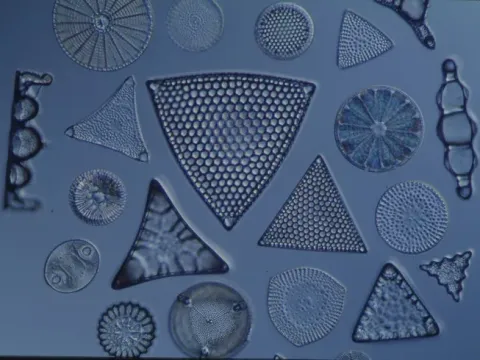
Gomphonema algae
Gomphonemataceae
Gomphonemataceae is a family of diatom algae that acts as a significant contaminant in controlled agricultural environments and hydroponic setups.
What the section contains
Gomphonema algae
These organisms are characterized by their unique stalked or wedge-shaped cells that attach firmly to various substrates, including plastics and metals.
Their biological structure includes a silica cell wall, making them highly resistant to environmental changes and standard mild detergents.
In agriculture, they are identified as biofouling agents that interfere with water-based growing systems rather than infecting plant tissues directly.
These diatoms are prolific in aquatic environments, often creating complex colonies that can quickly cover surfaces exposed to water and light.
The primary driver for the growth of Gomphonema algae is exposure to light, as they perform photosynthesis to sustain their rapid development.
Elevated levels of phosphorus and nitrogen in nutrient solutions provide high-energy conditions that lead to algal blooms in reservoirs.
Water temperatures between 18°C and 25°C are considered optimal for the rapid cellular division and colony expansion of these diatoms.
Stagnant or slow-moving water in irrigation lines creates the perfect conditions for algae to anchor and build up thick layers of biofilm.
Unfiltered surface water sources used for irrigation often introduce spores into the system, initiating the cycle of infestation.
Visual identification usually starts with the presence of brown or golden-colored slimy deposits on the inner walls of pipes and irrigation tubes.
A noticeable decrease in the pressure or flow rate of irrigation emitters is a primary indicator of internal clogging by algae.
The nutrient solution may develop an unpleasant, musty, or earthy odor, which is a symptom of active algal decomposition and growth.
Roots of hydroponic plants can become discolored or coated with a dark film, potentially hindering nutrient and water uptake.
Microscopic inspection of the water or biofilms will reveal the presence of typical wedge-shaped diatom frustules clustered together.
The most significant impact of these algae is the physical clogging of emitters and filtration systems, leading to uneven crop hydration.
Biofilms act as a breeding ground for secondary pathogenic bacteria, which can threaten the overall health of the crop's root system.
Algal growth leads to resource competition, where vital nutrients intended for the crops are instead consumed by the algae population.
At night, high algal biomass consumes dissolved oxygen, creating hypoxic conditions that stress the plant roots and impair growth.
Increased operational costs arise from the frequent need for maintenance, equipment cleaning, and replacement of compromised components.
Complete light-proofing of reservoirs, pipes, and irrigation channels is the most fundamental step in preventing algal colonization.
Regular mechanical flushing of the irrigation system is essential to break up and remove accumulated biomass before it solidifies.
UV-C sterilization units are highly effective in killing spores and inhibiting the growth of diatoms within the water circulation cycle.
The use of approved, safe chemical oxidizers, such as diluted hydrogen peroxide, can effectively clean systems without damaging crop tissues.
Implementing pre-filtration systems that remove particulate matter and mineral excess helps starve the algae of the nutrients they need to bloom.