
Gomphonema parvum
Gomphonema parvum
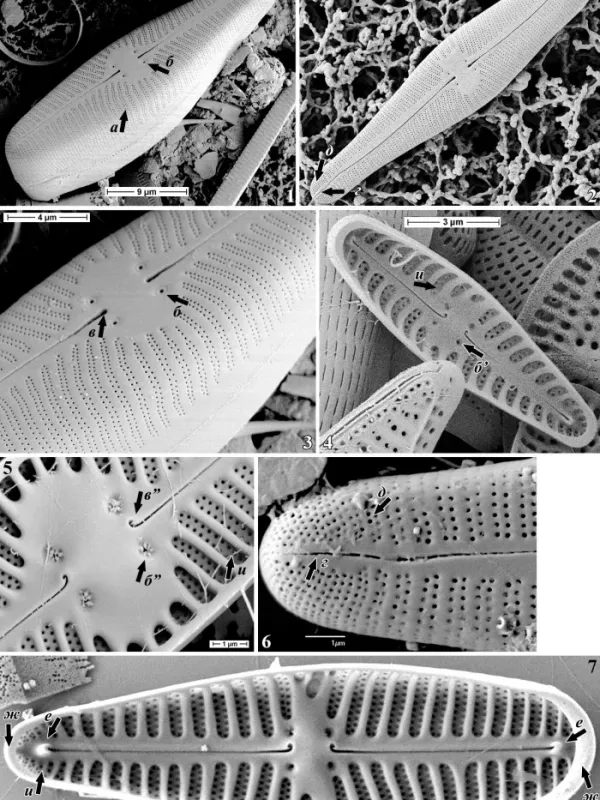
Description
Pathogen
Gomphonema parvum is a species of diatomaceous algae characterized by its unique club-shaped siliceous cell walls.
These microorganisms are typically found in freshwater environments but can cause significant operational issues in agricultural hydroponic setups.
They utilize specialized stalks to attach themselves firmly to various surfaces, including PVC pipes, pumps, and irrigation nozzles.
As autotrophic organisms, they perform photosynthesis and rely on dissolved minerals and silica to maintain their growth.
The taxonomic classification places them within the family Gomphonemataceae, highlighting their ability to form intricate, branching colonies.
Conditions for development
The proliferation of Gomphonema parvum is heavily influenced by the availability of silica in the nutrient solution used for cultivation.
Adequate lighting exposure in open-tank systems serves as a primary catalyst for rapid algal division and biomass expansion.
Stagnant or low-flow water areas within the irrigation system create a perfect microhabitat for colony development.
Temperature ranges typically found in greenhouses (15–25°C) are highly conducive to the reproductive cycle of this species.
An overabundance of nitrogenous and phosphoric nutrients often accelerates the bloom of diatom populations in closed-loop systems.
Why it matters
The primary concern is the clogging of emitters and irrigation channels, which disrupts the uniformity of nutrient delivery to plants.
Biofilm formation on roots can significantly inhibit oxygen uptake and nutrient absorption, leading to plant stress.
The presence of decomposing algal matter can create localized conditions favorable for the proliferation of harmful bacteria.
Maintenance costs increase due to the frequent need to clean or replace components damaged by massive diatom accumulations.
Uncontrolled growth can fluctuate the pH and electrical conductivity of the water, affecting overall crop performance.
Protection
Preventative measures include the complete shielding of reservoirs and pipes from light to inhibit photosynthetic activity.
Implementing ultraviolet sterilization systems is a highly effective way to manage diatom counts in circulating water supplies.
Routine chemical cleaning with hydrogen peroxide or chlorine-based agents can strip away existing biofilms and algal stalks.
Maintaining high flow velocities within the plumbing system helps prevent the initial attachment of the algal cells.
- Regular mechanical cleaning of all supply lines.
- Monitoring silica levels in the irrigation water.
- Ensuring the use of high-quality, clean water sources.
- Installing filtration systems with appropriate micron ratings.
Discussion
No discussions yet — be the first.