
Gomphillus
Gomphillus
Description
Symptoms
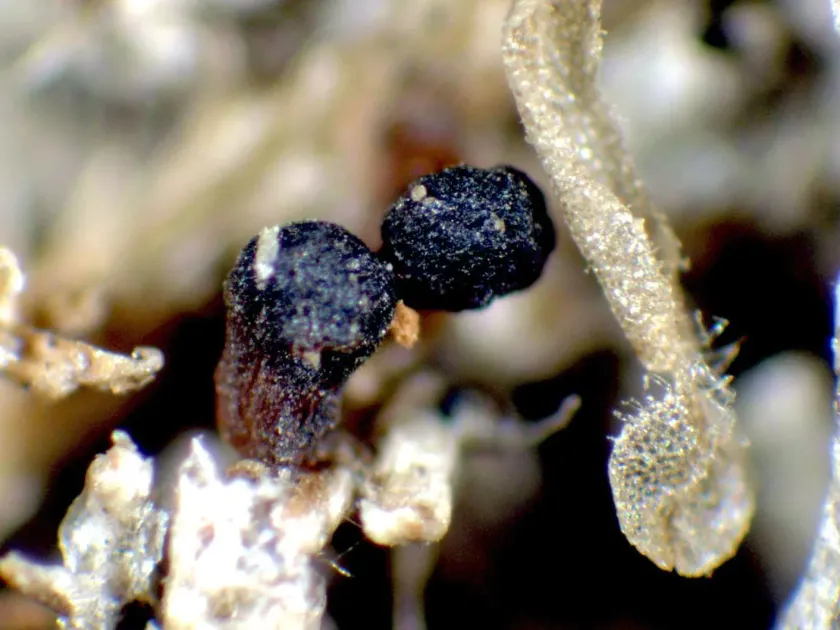
Gomphillus is a genus of lichens that are frequently mistaken for pathogenic fungal infections on the bark of fruit and ornamental trees.
The visual signs of colonization include the appearance of small, crust-like or scale-like growths on the surface of trunks and scaffold branches.
These growths can vary in color from pale white and gray to light green, depending on local humidity and the light exposure of the bark.
Upon closer inspection, the lichen appears firmly attached to the outer layer of bark but does not penetrate deep into the woody tissues.
While the lichen is physically present, its presence is often most noticeable in older trees that have slower bark turnover rates.
Pathogen
Biologically speaking, Gomphillus is not a plant pathogen but a symbiotic organism consisting of a fungus and an alga living together.
It is classified as an epiphyte, meaning it uses the tree solely as a physical substrate for support rather than feeding on the tree's nutrients.
Its life cycle is entirely distinct from true plant diseases like scab, powdery mildew, or rust that actively digest host plant tissues.
Dissemination occurs via spores or small fragments of the thallus, which are spread by wind, rain, or human activities around the garden.
The morphology of the genus allows it to thrive in nutrient-poor environments, making the rough bark of trees an ideal ecological niche.
Conditions for development
The primary driver for the development of Gomphillus on tree surfaces is high atmospheric humidity and prolonged periods of wet weather.
Lichens are most commonly found on trees that are neglected, weakened, or lacking sufficient sunlight within the canopy.
Dense tree crowns that restrict air movement provide a stable microclimate conducive to the growth of lichen colonies.
A lack of regular maintenance, such as neglecting pruning and the cleaning of trunks, allows these colonies to expand significantly over time.
The presence of clean, unpolluted air is often a factor, as many lichen species are sensitive to high levels of industrial or urban air pollution.
Why it matters
While Gomphillus does not directly parasitize the tree, it can provide a refuge for overwintering pests, insects, and mite eggs within its structure.
The dense layers of lichen can trap moisture against the bark, occasionally leading to softening or secondary fungal infections in the underlying wood.
Heavy colonization might inhibit the natural gas exchange of the bark, which is important for the physiological health of the tree's vascular system.
Widespread lichen growth is often an indicator that the tree's vitality is declining or that it requires better care and nutrition.
In ornamental settings, the rapid spread of lichens can negatively impact the visual aesthetics and overall appearance of the garden plants.
Protection
Mechanical removal by scrubbing the trunk and branches with stiff brushes during damp weather is the most direct and effective control method.
Improving the orchard environment through proper pruning to increase light and air circulation is essential for long-term prevention.
Applying copper-based fungicidal sprays in early spring helps to inhibit the growth and establishment of lichen spores on the bark.
Whitewashing the trunks with lime-based mixtures provides a hostile surface that prevents lichen attachment and protects the tree.
- Regular monitoring of tree bark health.
- Pruning to optimize airflow in the canopy.
- Cleaning trunks of dead bark and excessive lichens.
Discussion
No discussions yet — be the first.