
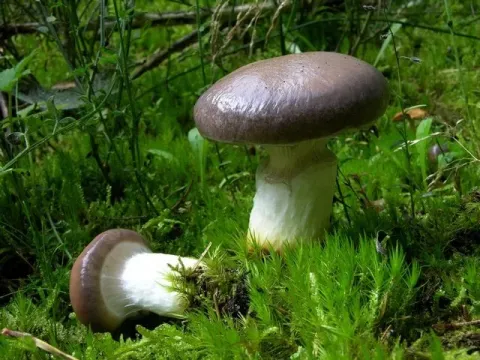
Gomphidius
Gomphidius
The genus Gomphidius represents a group of basidiomycete fungi within the family Gomphidiaceae. While biologically recognized primarily as mycorrhizal fungi, in agricultural contexts, certain associated species can act as opportunistic pathogens, particularly under high moisture conditions.
What the section contains
Gomphidius
The pathogen spreads through the dispersion of spores. These spores are carried by wind, rainfall, or insects, landing on vegetation or the soil surface, where they initiate the formation of fungal mycelium if favorable conditions are met.
A distinctive biological feature of these fungi is the secretion of a slimy substance. This mucilage coats the hyphae, protecting them from desiccation and facilitating better attachment to the surface of the plant's tissues.
The infection typically targets weakened plants. Plants suffering from nutrient deficiencies, mechanical damage, or improper growing conditions provide easier entry points for the fungal mycelium to penetrate the plant structure.
Once the pathogen colonizes the plant surface, it releases enzymatic substances that break down cell walls, allowing the fungus to extract nutrients from the host plant, leading to gradual tissue degradation.
The primary symptom is the appearance of a sticky, slimy film on leaves, stems, or fruits. This film often starts as a clear layer and may eventually turn gray or dark brown as the infection progresses.
Affected tissues begin to lose their structure, becoming soft and pulpy. This softening is often accompanied by decay, which can spread rapidly to healthy parts of the plant if not addressed early.
Infected plants may exhibit stunted growth. The slimy coating blocks stomata, significantly reducing the plant's ability to perform gas exchange and photosynthesis, leading to overall plant decline.
- Sticky, mucilaginous coating on shoots and leaves.
- Loss of turgor pressure in infected fruits and stems.
- Discoloration of tissues turning into dark brown necrotic spots.
- Visible patches of rot with a damp, shiny appearance.
- Premature wilting and shedding of vegetative organs.
As the infection deepens, it can impact the vascular system, causing systemic wilting that cannot be corrected by watering, often leading to total plant collapse in severe cases.
High humidity and consistent moisture in both the air and the soil are the primary drivers for fungal development. The temperature range for optimal growth typically falls between 15°C and 22°C (59°F–72°F).
Poor ventilation within the crop canopy, often caused by overly dense planting or lack of pruning, creates an ideal microclimate for spores to germinate and for colonies to establish themselves on host plants.
Failure to follow crop rotation practices allows fungal spores to persist in the soil debris, providing a continuous source of inoculum for subsequent seasons and increasing the risk of recurring outbreaks.
Excessive application of nitrogen fertilizers leads to soft, succulent plant tissues that are more susceptible to the mechanical pressure and enzymatic penetration of fungal hyphae.
Prolonged rainy periods followed by sudden warm, humid intervals create a perfect environmental trigger for rapid spore production and widespread secondary infections across the plantation.
The economic impact of the disease is significant, primarily due to the loss of produce quality. Fruits covered in slimy fungal film become unmarketable and decay rapidly in storage and transit.
Reduced photosynthetic efficiency directly translates to lower overall yields. When the plant's vital energy-producing processes are blocked by fungal secretions, the yield potential drops significantly.
Seedlings and young plants are particularly vulnerable; infection can lead to mass mortality in nurseries, forcing growers to invest in replanting and dealing with significant production gaps.
Systemic infection in older plants causes irreversible wilting and death, reducing the lifespan of crops and forcing farmers to remove entire plants to prevent the further spread of the pathogen.
Control costs rise sharply during outbreaks, as growers must invest in repeated fungicide applications, professional cleaning of tools, and disposal of infected organic waste to curb the spread.
The most effective strategy is the maintenance of proper agricultural hygiene. This includes thinning out crowded plantings to increase airflow and ensuring that the canopy dries out effectively after rains.
Preventive application of copper-based or sulfur-based fungicides can create a barrier against fungal attachment and inhibit early spore germination during periods of high humidity.
Biological control using antagonistic fungi, such as Trichoderma species, can be highly effective. These beneficial organisms compete with the pathogen for resources and directly attack the fungal mycelium.
Sanitation is crucial; all infected plant material should be carefully harvested and destroyed, preferably by burning or deep burial, to eliminate the reservoir of spores from the immediate area.
Optimizing plant nutrition by focusing on potassium and phosphorus helps strengthen cell walls, making the crops more physically resistant to invasion by opportunistic pathogens.