
Gomphales fungi
Gomphales
The order Gomphales comprises a group of fungi that are primarily saprotrophic, yet some species act as aggressive pathogens affecting the roots of woody plants.
What the section contains
Gomphales fungi
The pathogenic agents within this group, often associated with the genus Ramaria, infiltrate root tissues, leading to wood decay and vitality loss.
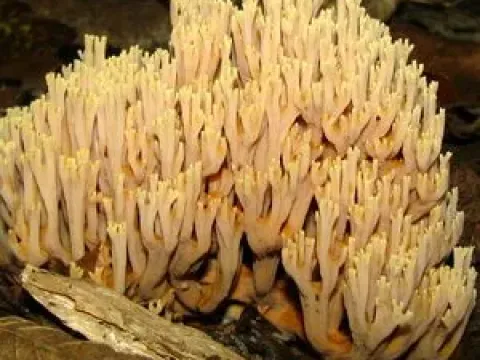
These fungi are taxonomically classified as basidiomycetes, typically characterized by distinctive coral-like or club-shaped fruiting bodies appearing on host plants.
The mycelium develops within the rhizosphere, infiltrating the root cortex and disrupting the vascular system by actively decomposing organic root matter.
Infection spreads through the release of spores transported by wind or water, as well as through direct root contact between infected and healthy vegetation.
The initial signs of infection often involve crown thinning, foliage yellowing, and a gradual decline in the plant's overall growth rate.
The emergence of colorful, branching fruiting bodies near the base of the trunk or on exposed roots is a definitive indicator of an active fungal presence.
Internal examination of the roots reveals dark, softened tissue and the presence of dense, creamy white mycelial mats located directly beneath the bark.
As the disease progresses, the tree exhibits signs of systemic drought stress, followed by the progressive dieback of branches from the top down.
Increased susceptibility to wind-throw and severe leaning are common indicators that the root anchorage has been compromised by advanced decay.
High soil moisture levels are a primary driver for the germination of spores and the subsequent expansion of the fungal colony within the soil.
The presence of decaying wood, buried stumps, and organic debris creates an ideal substrate for the fungi to establish and persist over several years.
Temperatures ranging from 15 to 22 degrees Celsius are optimal for mycelial growth, which aligns with peak spring and autumn humidity levels.
Mechanical injuries to the root system, whether from landscaping equipment or rodent activity, provide entry points for the fungal mycelium.
Overcrowded plantings and a lack of soil aeration facilitate the rapid transmission of the pathogen through root grafts between adjacent trees.
The destruction of root tissues prevents essential nutrient and water transport, inevitably leading to the eventual death of the affected plant.
Infected trees experience reduced vitality, making them primary targets for opportunistic wood-boring insects, which further hastens tree mortality.
Economic damage includes the loss of timber value and the high cost associated with the removal and disposal of diseased tree populations.
In garden settings, Gomphales infections destroy ornamental value and can linger in the soil, preventing successful replanting for extended periods.
The overall stability of the forest or garden ecosystem is threatened as the fungus weakens the structural integrity of the affected plant root systems.
Preventive strategies must prioritize the complete removal of stumps and buried wood debris before establishing new plantings in a given area.
Proper soil management, including the installation of drainage systems to prevent waterlogging, is crucial to inhibit fungal development.
Regular inspection of trees for fruiting bodies or canopy dieback allows for early intervention and the removal of diseased specimens before spread occurs.
Applying preventative soil treatments or localized fungicides can assist in curbing the spread of mycelium in areas where infection has been detected.
Maintaining biological diversity and avoiding excessive root disturbance are recommended cultural practices to enhance the resilience of the tree population.