
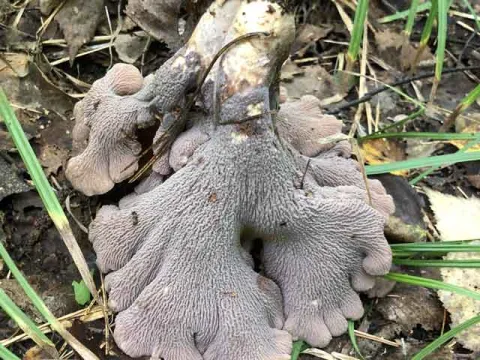
Gomphaceae
Gomphaceae
The Gomphaceae family comprises a diverse group of basidiomycete fungi. While many species are essential mycorrhizal symbionts, some members are associated with the degradation of organic matter and can contribute to root system stress.
What the section contains
Gomphaceae
The pathogens in this group are characterized by their varied fruiting bodies, ranging from club-shaped to branched coral structures, which emerge from the soil or decaying wood substrate.
In terms of plant health, their mycelium can colonize the rhizosphere, utilizing specific enzymes to break down lignin and cellulose, which may negatively impact weakened root systems of trees.
Classification within the Gomphaceae family has evolved significantly with molecular research, highlighting the complex evolutionary relationship between saprotrophic and parasitic tendencies.
From an agronomical perspective, identifying the role of these fungi in the root zone is crucial for understanding the long-term vitality of tree nurseries and reforestation sites.
Gomphaceae development is highly dependent on environmental factors, primarily soil moisture levels and the presence of abundant organic debris, such as leaf litter and woody remains.
Optimal conditions for their proliferation are found in humid forest environments with moderate temperatures, which allow for the efficient production and spread of their basidiospores.
The spread of these fungi is facilitated by natural vectors, including wind, water runoff, and soil-dwelling organisms, which transport spores to new potential host sites.
Poor soil drainage and low oxygen content in the soil profile create favorable conditions for colonization, as these factors often correlate with reduced host immunity.
Effective establishment of the mycelial network requires a stable microclimate, which is often provided by the protective canopy of existing forest stands or dense nursery planting.
The harm caused by Gomphaceae is typically observed as a decline in tree vigor, resulting from the impairment of root function and the inhibition of nutrient uptake from the soil.
Affected plants often show visible symptoms such as chlorosis, stunted growth, and a gradual thinning of the crown, which reflects the underlying stress on the subterranean root network.
In forest nurseries, Gomphaceae can increase seedling mortality, particularly in batches that have already experienced physiological stress due to drought or transplanting issues.
The presence of these fungi often serves as a precursor or a synergistic agent for other soil-borne diseases, leading to a synergistic negative effect on the plant's structural integrity.
Economic damage includes reduced timber production, loss of high-value nursery stock, and the long-term requirement for soil remediation to restore the ecological balance.
Preventative strategies focus on maintaining optimal soil health and drainage, as these conditions are the first line of defense against the opportunistic colonization of roots.
Sanitation practices are essential, including the systematic removal of stumps and large woody debris from nursery sites to eliminate the primary reservoirs for fungal spores.
The use of biological controls, such as beneficial Trichoderma species, can help create a suppressive soil environment, reducing the competitive capacity of Gomphaceae in the rhizosphere.
Consistent monitoring and early detection of root decay symptoms enable land managers to intervene with localized treatments or the removal of highly infected specimens.
- Proper site preparation to ensure efficient water drainage.
- Use of certified pathogen-free potting media in containerized nurseries.
- Avoidance of over-irrigation to maintain balanced soil aeration.