
Fusarium dieback of avocado
Fusarium euwallaceae
The disease is caused by the fungus Fusarium euwallaceae, which exists in a symbiotic relationship with the invasive shot hole borer beetle (Euwallacea fornicatus). This fungus is a specialized pathogen introduced directly into the tree tissues by the beetle during its boring activity.
What the section contains
Fusarium dieback of avocado
Unlike common soil-borne pathogens, this fungus does not spread independently through the soil. It requires the beetle as a vector to successfully colonize the host plant. Once introduced, the infection spreads systematically within the tree's vascular system.
The disease is classified as a vascular wilt (tracheomycosis). The mycelium proliferates within the xylem, physically obstructing the transport of water and nutrients from the roots to the canopy, which leads to the rapid decline and eventual death of the affected tissues.
The biology of the pathogen is inextricably linked to the beetle's life cycle. The fungus serves as the primary food source for the beetle larvae, growing inside the galleries excavated by the adult beetles within the woody parts of the tree.
The pathogen is highly aggressive, secreting phytotoxins that cause localized necrosis, which weakens the tree's systemic defenses and makes it more susceptible to secondary infections and rapid colonization.
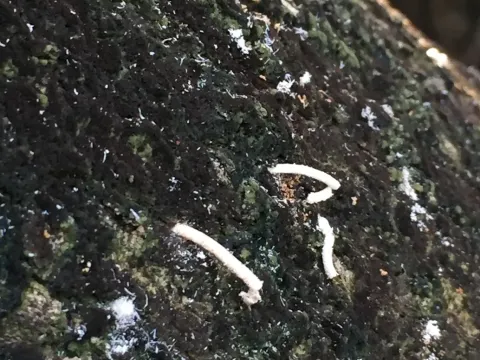
The first visual sign of infestation is the presence of tiny, characteristic entry holes bored into the bark of the trunk and larger branches. These holes are often accompanied by sap flow, which can appear as white, powdery dry deposits or dark, wet staining on the bark surface.
Leaves on infected branches begin to lose their deep green luster, turning dull or yellowish before suddenly wilting. This rapid wilting often occurs across entire limbs or the entire canopy without an obvious environmental cause.
Upon removing the bark at suspected infection sites, one can observe brown or black necrotic staining within the wood. This internal streaking is a diagnostic indicator of the fungus spreading through the vascular tissues.
In advanced stages, trees exhibit progressive dieback, often referred to as "top-down" death, where the upper canopy withers first, eventually leading to the death of the main trunk and the entire tree structure.
Final symptoms include the complete loss of leaf turgor, leaf drop, and the ultimate drying out of the tree. By this stage, the xylem is irreversibly damaged, and the tree can no longer sustain its life functions.
The primary prerequisite for disease development is the presence of an active population of the shot hole borer (Euwallacea fornicatus) within the growing region. Without this insect vector, the disease cannot spread.
The infection rate is highest during warm and dry periods, which favor beetle flight and colonization activity. The insects actively seek out new hosts, particularly during spring and summer months.
Trees experiencing stress—whether from drought, improper irrigation, or mechanical injury—are significantly more attractive to the beetles. Consequently, stressed trees are the first to be colonized and the most likely to succumb to the fungus.
Plantation density is a critical risk factor. In high-density avocado orchards, beetles can easily navigate between adjacent trees, facilitating rapid localized outbreaks and potential epiphytotics within a short period.
The susceptibility of an individual tree also depends on its physiological state; younger trees and those with compromised immunity are often more vulnerable and show faster decline than mature, vigorous specimens.
The primary danger of Fusarium dieback is the total loss of productive trees within the orchard. Once a tree is severely infected, it cannot be cured, leading to a complete loss of its economic value.
Economic impacts include the costs associated with the removal and safe disposal of infested wood, loss of potential yield for the lifespan of the tree, and the threat of the disease spreading to healthy portions of the orchard.
Due to the lack of effective curative treatments, this disease represents a severe global threat to the avocado industry, forcing growers to implement strict and costly phytosanitary measures to contain its spread.
In many regions, the presence of this disease mandates the removal of entire grove sections to protect neighboring plantings, which leads to a significant decrease in long-term farm profitability.
Infected trees become structurally unstable due to the beetle tunnels and fungal decay, posing a safety hazard to farm personnel and equipment working underneath or near the trees, especially during high winds.
The main management strategy is strict sanitation: immediate removal, chipping, and deep burial or burning of infested trees and stumps to eliminate the fungal and beetle reservoir.
Preventive measures include consistent monitoring of the orchard for entry holes and canopy flagging using pheromone traps and visual inspections to detect the arrival of the beetle.
Maintaining optimal tree health through balanced irrigation and nutrient management is essential, as it helps the trees resist beetle attacks and improves their general resilience.
Movement of avocado wood, including firewood and green waste, from infested areas to clean zones is strictly prohibited, as this is the most common way the disease is spread over long distances.
- Pruning to improve canopy airflow and tree accessibility for monitoring.
- Targeted insecticide applications to suppress beetle populations during peak flight.
- Sterilization of pruning tools between trees to prevent mechanical spread.
- Establishment of buffer zones to prevent the migration of beetles into healthy groves.