
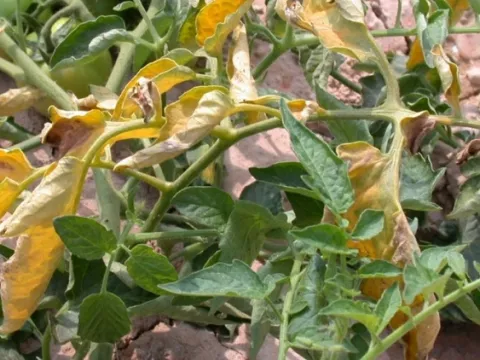
Fusarium commune
Fusarium commune
Fusarium commune is a fungal pathogen belonging to the Ascomycota division. It is widely recognized as a soil-borne fungus that acts as a facultative parasite, causing severe root and crown rot in a variety of crops.
What the section contains
Fusarium commune
The fungus produces conidia and chlamydospores, which allow it to survive in the soil for several years, even in the absence of a host plant, by colonizing decaying organic matter.
It spreads primarily through infested seed material, contaminated soil particles moved by farm machinery, and runoff water during heavy rainfall events.
The biological cycle involves the secretion of various mycotoxins, which contribute to the disruption of host plant metabolic processes and systemic infection.
Genetic diversity within the Fusarium commune species makes it a persistent challenge for plant breeders aiming to develop resistant crop varieties.
Initial symptoms of the disease appear as stunted growth and chlorosis of the lower leaves. The root system shows distinct browning and necrosis, which progressively leads to the death of the root hairs.
The crown region of the stem often displays a dark brown or black discoloration. Under high humidity, a fluffy white or pinkish mycelial mass may be visible on the base of the plant stem.
Affected plants often collapse or lodge prematurely, as the fungal colonization weakens the vascular tissue and the structural integrity of the plant base.
In cereal crops, the disease frequently presents as "seedling blight," where sprouts fail to emerge or die shortly after germination due to the decay of the coleoptile.
During the grain-filling stage, infected plants may show signs of premature head bleaching, resulting in shriveled and low-quality grain kernels.
The development of Fusarium commune is highly dependent on environmental factors, particularly high soil moisture levels and temperatures between 15°C and 25°C.
Poor soil drainage and compacted soil structures increase the risk of infection by keeping the rhizosphere environment consistently moist, which favors fungal growth.
Monocropping, or frequent planting of susceptible species in the same field, leads to the accumulation of inoculum, exponentially increasing disease pressure over time.
Soil nutrient imbalances, specifically excessive nitrogen application, can produce succulent plant tissues that are more susceptible to invasion by the fungus.
Mechanical injuries to the root system, often caused by soil pests like nematodes or insects, provide easy entry points for the pathogen to penetrate the host tissues.
The economic impact of Fusarium commune is significant, primarily due to direct yield losses caused by stand reduction and decreased grain weight in surviving plants.
The presence of mycotoxins in the harvested grain poses health risks, making the harvest unsuitable for feed or food processing if contamination levels exceed safety standards.
Reduced vigor and poor root development make infected plants more vulnerable to other environmental stresses, such as drought or secondary pathogens.
Seed quality is severely compromised, with higher rates of infection leading to poor germination rates and weaker seedling development in subsequent seasons.
Costs associated with crop management, including the need for specialized seed treatments and potential field abandonment, represent a major financial burden for growers.
Crop rotation is the most effective cultural practice to manage Fusarium commune, as it disrupts the pathogen's lifecycle and limits the buildup of inoculum in the soil.
The use of certified, disease-free seed treated with high-quality systemic fungicides is essential to protect the vulnerable germination and early seedling growth stages.
Improving soil health through proper drainage, tillage practices, and organic matter management helps create a less favorable environment for the fungus to thrive.
Balanced fertilization, particularly ensuring adequate potassium and phosphorus levels, enhances the host plant's natural defense mechanisms against fungal infection.
- Monitoring field conditions to detect early signs of root rot.
- Effective weed management to remove potential alternative hosts.
- Selecting resistant or tolerant cultivars when available.