
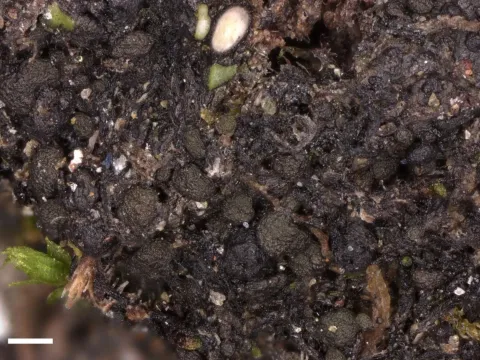
Frigidopyrenia
Frigidopyrenia
Frigidopyrenia is a genus of fungi belonging to the Ascomycota division, known for its distinct ecological preference for cold environments and specific host interactions.
What the section contains
Frigidopyrenia
The pathogen functions primarily through the development of specialized fruiting structures called perithecia, which serve as the primary source of inoculum spread.
Biologically, the fungus is characterized by its slow metabolic rate, allowing it to remain viable in conditions that would typically inhibit more aggressive plant pathogens.
As a fungal pathogen, it infiltrates plant tissues by penetrating the cell walls, eventually leading to structural damage and reduction in the plant's metabolic capacity.
The survival mechanism of the fungus relies on its ability to endure sub-optimal thermal conditions, utilizing dormant stages within the host remnants or soil organic matter.
The development of the disease is predominantly driven by cool and damp weather conditions, which align with the fungal preference for lower ambient temperatures.
Increased humidity levels are essential for spore germination and the successful establishment of infection sites on the host's surface tissues.
Stagnant air and lack of adequate ventilation in plant clusters contribute significantly to the rapid proliferation of the fungal pathogen during critical growth stages.
Environmental stress, such as prolonged cold snaps followed by periods of high moisture, creates a favorable niche for the pathogen's growth and secondary infections.
Proper field management, including ensuring optimal plant spacing and air circulation, is crucial to mitigate the conditions that promote the spread of the disease.