
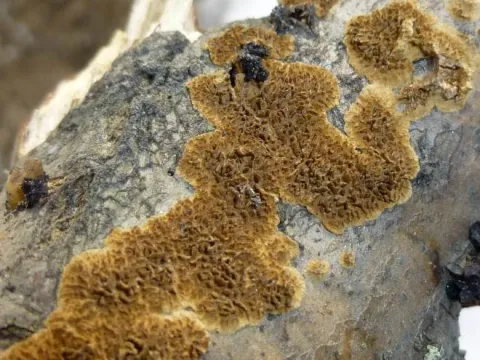
Fomitiporia
Fomitiporia
The genus Fomitiporia, particularly the species Fomitiporia mediterranea, represents a group of wood-decaying fungi belonging to the order Hymenochaetales. These pathogens are responsible for white rot in various hardwood species.
What the section contains
Fomitiporia
In viticulture, Fomitiporia is recognized as a major contributor to the esca complex, a devastating grapevine trunk disease. It invades the plant through pruning wounds, where it begins its destructive process of wood decomposition.
The mycelium of the fungus utilizes specialized enzymes to break down lignin and cellulose within the host's xylem vessels. This activity progressively compromises the structural integrity and fluid-conducting capacity of the vine.
This pathogen acts as a slow-acting but relentless parasite. Over many years, it colonizes the inner trunk and cordons, turning the wood into a spongy, degraded state that cannot be reversed by existing chemical treatments.
The spores of the fungus are wind-borne or rain-splashed. When they land on fresh, unprotected wounds on the vine, they germinate and establish a new colony, continuing the cycle of infection throughout the vineyard.
The most recognizable foliar symptom is the 'tiger-stripe' appearance on leaves, characterized by interveinal chlorotic spots that eventually turn necrotic, while the leaf veins remain green for a period.
Internal symptoms are visible when cross-sectioning an affected trunk or cordon: a central area of soft, white, decayed wood is usually surrounded by a dark-brown, necrotic margin known as the 'tiger zone'.
Acute symptoms often appear during the peak of summer, where sudden wilting or 'apoplectic' decline occurs. This is due to the complete failure of the damaged vascular system to transport water to the canopy during heat stress.
In advanced cases, perennial, hoof-shaped, or flat fruiting bodies may emerge from the bark of old trunks. These structures release spores, signaling that the vine is heavily colonized and effectively a death trap for the plant.
Long-term signs include stunted shoot growth, small or unevenly ripening berries, and the eventual failure of the vine to push out new growth in the spring, leading to total vine death.
High humidity and moderate temperatures are the most favorable conditions for the germination and colonization of Fomitiporia spores on fresh pruning wounds.
Poor pruning practices, specifically making large, unnecessary cuts or pruning during wet weather, significantly increase the risk of the fungus establishing itself in the wood.
Vineyard age is a critical variable. Older vineyards, which often have a higher number of accumulated wounds and cracks, provide more entry points for the pathogen.
Environmental stress, such as drought, extreme temperature fluctuations, or poor soil health, weakens the natural defense mechanisms of the grapevine, allowing the fungus to progress more rapidly.
The transmission of the pathogen between vines is heavily facilitated by contaminated pruning tools. If tools are not disinfected during operations, they serve as primary vectors for spreading the spores.
The economic impact of Fomitiporia is severe, as it leads to a progressive decline in yield and the ultimate mortality of the vines, often the most mature and productive ones in the vineyard.
Fruit quality is significantly reduced due to impaired nutrient flow, leading to poor sugar accumulation, uneven maturation, and increased susceptibility to other biotic and abiotic stressors.
Because there is no curative treatment available for wood-rotting diseases, the presence of Fomitiporia necessitates the removal and destruction of infected vines, leading to increased costs for replanting.
The pathogen creates a reservoir of infection within the vineyard, threatening neighboring healthy vines and necessitating strict sanitation protocols to prevent widespread losses.
It impacts the longevity of the vineyard operation, often forcing growers to shorten the commercial lifespan of their plantations, resulting in lower return on investment.
- Perform all pruning activities during dry, cool weather to discourage spore development.
- Apply wound protection sealants immediately after pruning, especially on cuts larger than 2 cm.
- Disinfect all pruning tools with alcohol (at least 70%) or other approved agents between each vine to prevent cross-contamination.
- Remove and burn severely infected vines, ensuring the rootstock is also extracted if possible, to eliminate the source of infection.
- Promote overall vine health through balanced fertilization and proper irrigation to strengthen the plant's natural immune response.