
Fool's mushroom
Amanita verna
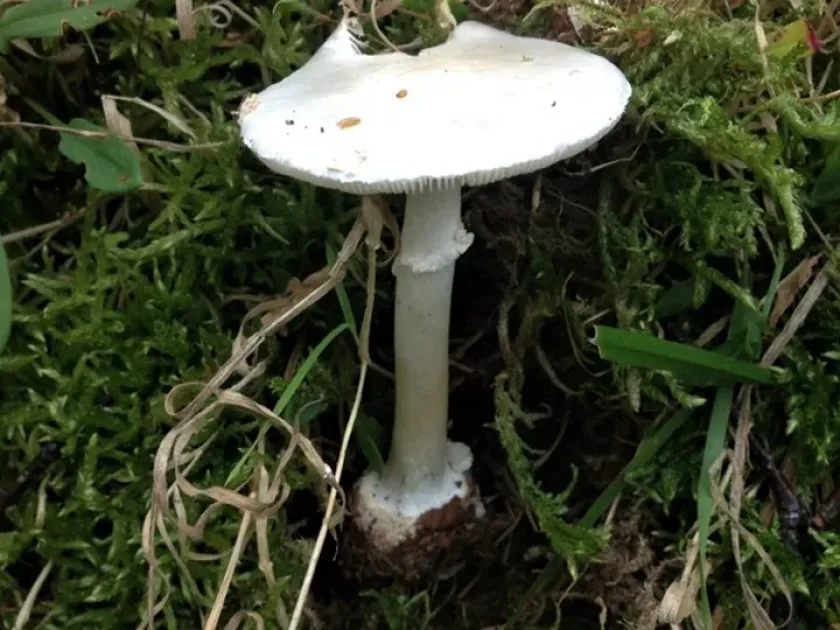
Description
Pathogen
Fool's mushroom (Amanita verna) is a deadly toxic fungus from the Amanitaceae family, not a plant pathogen.
It exists as a mycorrhizal fungus, forming symbiotic relationships with the roots of various hardwood tree species, including oak and beech.
In an agricultural context, this species does not cause diseases in crops, vegetables, or fruits, as its nutrition is derived from soil and plant roots.
The fungus is biologically distinct from parasitic fungi that cause crop losses, such as wilts, rusts, or various types of rot.
Its presence is primarily an ecological indicator of soil health and forest-edge development rather than a sign of pathogenic infestation in fields.
Conditions for development
Amanita verna thrives in well-drained, slightly acidic soils that are rich in organic matter and leaf litter.
The fungus typically develops its fruiting bodies during the late spring and early summer months when soil moisture is at its peak.
It prefers shaded or semi-shaded areas near the trunks of deciduous trees, which serve as its symbiotic partners for nutrient exchange.
The dispersal of spores is wind-driven, allowing the fungus to spread across woodland margins and parklands where suitable trees are present.
Optimal development occurs under steady, mild temperatures, avoiding both extreme heat and prolonged waterlogging of the soil profile.
Why it matters
The danger of Amanita verna is entirely related to human and animal toxicity due to lethal concentrations of amatoxins.
Ingestion of even a small piece of the fruiting body can lead to severe organ failure, particularly targeting the liver and kidneys.
While the fungus does not threaten crop yield, it poses a significant liability and safety risk to agricultural workers and grazing livestock.
Confusion with edible species is the primary pathway for accidental poisoning, necessitating strict identification protocols on farmland.
Agricultural managers should recognize this fungus as a biological hazard that requires management to prevent accidental exposure.
Protection
Control efforts are focused on the eradication of fruiting bodies to prevent spore dispersal and minimize accidental consumption.
Regular visual inspections of tree-covered areas within agricultural holdings should be conducted during the spring growing season.
Manual removal of detected specimens, including the soil immediately surrounding the base, is recommended to discourage regrowth.
Education is the most effective prevention strategy, ensuring that workers are aware of the risks associated with this specific toxic species.
- Routine site inspections in spring.
- Removal and secure disposal of fruiting bodies.
- Safety training for farm personnel regarding poisonous mushrooms.
Discussion
No discussions yet — be the first.