
Fomitopsis
Fomitopsis
Description
Symptoms
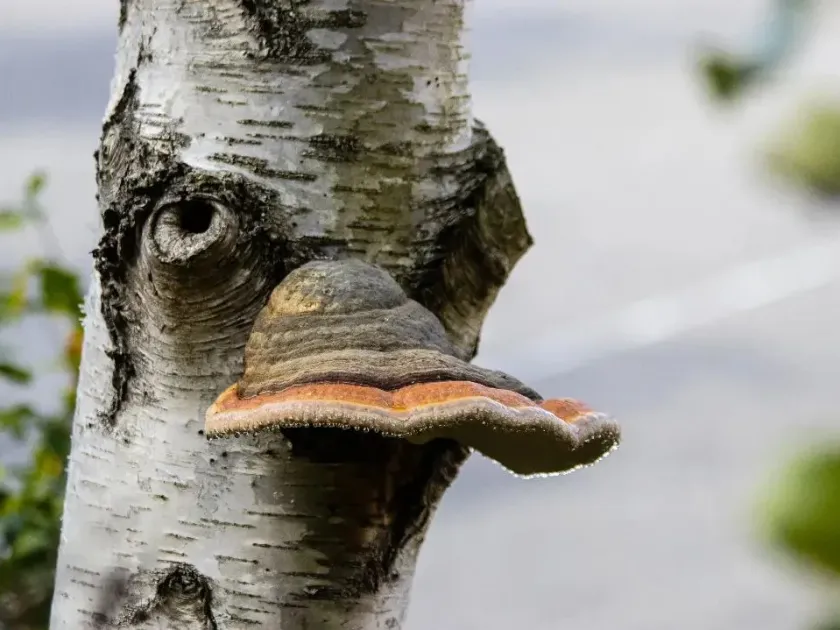
The most visible sign of infection is the presence of the fungus's distinctive shelf-like fruiting bodies on the trunk or stump of a tree.
Affected wood displays classic symptoms of brown rot, where it becomes reddish-brown in color, brittle, and breaks into cubical pieces when dry.
White mycelial mats are frequently found within the cracks of the decaying wood, confirming the presence of the fungal pathogen.
As the rot progresses, the structural integrity of the tree is severely compromised, often resulting in crown dieback and thinning foliage.
Eventually, the trunk may exhibit localized or extensive cavities, which are dangerous spots where the wood loses all its tensile strength.
Pathogen
The disease is caused by fungi belonging to the Fomitopsis genus, with Fomitopsis pinicola (red-belted conk) being the most prominent species.
These organisms are saprotrophic or facultatively parasitic wood-decay fungi that decompose the structural components of wood, such as cellulose and lignin.
Infection typically occurs when spores enter the tree through open wounds, broken branches, or frost cracks in the bark.
The fungus produces perennial or annual fruiting bodies that often appear as hard, shelf-like structures on the trunk of the host tree.
The mycelium grows throughout the woody tissue, absorbing nutrients and secreting enzymes that lead to the characteristic decay of the internal structure.
Conditions for development
Fomitopsis thrives in environments characterized by high humidity and moderate temperatures, which are ideal for spore germination.
Densely planted forests with poor air circulation are more susceptible to the rapid spread of spores from infected to healthy trees.
Stressed or damaged trees with compromised defense mechanisms are significantly more likely to be colonized by the fungus.
The presence of large amounts of coarse woody debris, such as fallen logs and dead stumps, provides a breeding ground for the pathogen.
Poor drainage and waterlogged soil conditions weaken root systems, providing the fungus with an entry point and creating a conducive environment for its growth.
Why it matters
The primary damage caused by Fomitopsis is the degradation of wood, rendering it useless for timber production or construction purposes.
Infected trees become hazardous as the decay significantly weakens their mechanical strength, leading to sudden trunk failures and windthrow.
The economic impact is substantial, as the value of timber is dramatically reduced, and the cost of sanitation management increases.
Forest health suffers as the decay reduces the biological viability of affected trees, making the entire ecosystem more vulnerable to subsequent pests.
In urban or recreational areas, these fungi create serious safety risks for people and property due to the risk of falling branches or trees.
Protection
Sanitation is the most effective management strategy, involving the regular removal of dead and heavily infected trees from the forest stand.
Preventing mechanical damage to tree trunks during logging or maintenance activities is crucial to blocking the entry of fungal spores.
For high-value trees in parks or landscapes, surgical removal of decayed parts and the application of wound dressings can help slow down the process.
Implementing regular monitoring and health surveys allows for the early detection and removal of potential infection sources.
Promoting forest stand diversity and maintaining optimal site conditions help improve tree vigor, making them more resilient against fungal colonization.
Discussion
No discussions yet — be the first.