
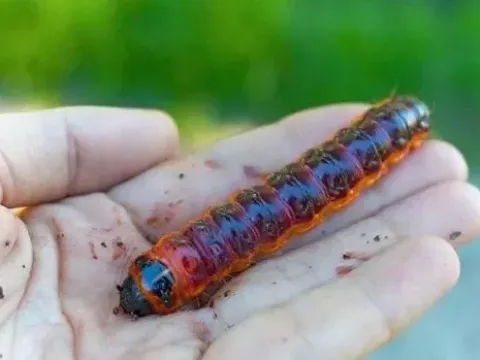
Goat Moth
Endoxyla
The Goat Moth (genus Endoxyla) is not a disease, but a destructive pest belonging to the Cossidae family, commonly known as carpenter moths.
What the section contains
Goat Moth
Adult insects are large nocturnal moths with heavy bodies. The primary damage is caused by the larval stage, which spends its entire life cycle boring into the heartwood of trees.
The life cycle can last for several years, during which larvae excavate extensive tunnels that disrupt the internal structure of the tree.
Pupation takes place within the tree tunnels, making the pest extremely difficult to target with conventional surface insecticide sprays.
The genus includes various species adapted to feed on hardwood trees, thriving particularly well in warm climates where their activity persists throughout the year.
The most visible sign of an infestation is the accumulation of frass, a mixture of larvae excrement and wood shavings, found at the base of the tree or in bark crevices.
Small, round entrance holes appear on the trunk, often accompanied by sap bleeding or gumming, which indicates that the larvae are active inside.
The tree starts showing signs of stress, including premature yellowing of leaves, wilting of specific branches, and a noticeable reduction in annual shoot growth.
In severe cases, the tree canopy becomes sparse, and the bark may begin to peel away, revealing deep, dark tunnels bored into the trunk.
Agronomists often use a thin wire probe to check the depth and extent of the tunnels to confirm the presence of larvae.
Infestations are most common in weakened or stressed trees that have pre-existing wounds or poor resistance due to drought.
Dry weather conditions reduce the tree's vigor and sap pressure, making it much easier for young larvae to penetrate the bark successfully.
High ambient temperatures during the summer months accelerate the larval metabolism, leading to faster development and more aggressive feeding habits.
Overcrowded plantations with poor air circulation create an ideal microclimate for the spread of these moths during their mating season.
The absence of natural predators, such as parasitoid wasps and woodpeckers, allows the goat moth population to increase significantly.
The main harm caused by these pests is the structural damage to the tree's vascular system, which blocks the transportation of nutrients and water.
Deep tunnels compromise the tree's structural integrity, causing branches to break easily during windy conditions or heavy storms.
The damaged wood provides a perfect entry point for secondary pathogens, such as fungi and bacteria, which can lead to wood rot and decay.
In commercial orchards, goat moth infestation results in decreased yields, stunted tree growth, and the eventual need to remove infected specimens.
If left untreated, a heavy infestation can kill a mature tree within a few seasons, causing significant financial and ecological loss.
Integrated pest management starts with maintaining tree health through proper irrigation, balanced fertilization, and avoiding mechanical damage to the trunk.
Covering bark wounds with grafting wax or specialized antiseptic pastes prevents females from laying eggs in accessible spots.
For active tunnels, chemical control involves injecting systemic or contact insecticides directly into the holes and sealing them with putty.
Pheromone traps placed during the flight period of adult moths are effective in monitoring population levels and reducing successful mating.
- Conduct regular inspections of trunks for entrance holes.
- Remove and incinerate heavily infested branches immediately.
- Encourage beneficial birds, such as woodpeckers, to forage in the garden.