
Dumontinia tuberosa
Dumontinia tuberosa
The disease is caused by the ascomycete fungus Dumontinia tuberosa, formerly known as Sclerotinia tuberosa. This pathogen belongs to the Sclerotiniaceae family and is known for forming specialized survival structures called sclerotia.
What the section contains
Dumontinia tuberosa
These sclerotia are hard, black, irregular masses that allow the fungus to persist in the soil for several years. They serve as the primary inoculum for the disease when conditions become suitable for growth.
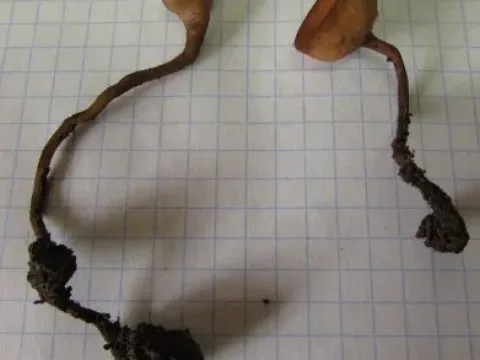
In spring, when the soil is sufficiently moist and temperatures rise, the sclerotia germinate to produce apothecia. These are small, brown, cup-shaped fruiting bodies borne on slender stalks that emerge above the soil surface.
The apothecia release masses of ascospores into the air, which are then carried by wind to nearby susceptible plants. This discharge is the critical event that initiates the primary infection of new shoots.
Once the ascospores land on the plant tissue, they germinate and penetrate the host, causing systemic decay. The fungus then colonizes the tissues, eventually forming new sclerotia to restart the life cycle the following year.
Early symptoms appear in early spring as the plants begin to grow. Infected plants often show stunted growth, wilting, and distorted stems, failing to reach their full potential or bloom.
Leaves on infected specimens tend to yellow from the margins inward and may collapse rapidly. A critical sign is the deterioration of the underground tubers, which become soft and covered in white fungal mycelium.
The presence of brown, stalked apothecia emerging from the soil in the immediate vicinity of the wilting plant is the most definitive diagnostic feature of Dumontinia tuberosa.
As the season progresses, the internal tissues of the tuber are progressively consumed by the fungus. Hard, black, crusty sclerotia develop within the decaying plant material as the season concludes.
In dense plantings, the disease can spread rapidly, leading to circular patches of dead or dying plants. The lack of flowers in the affected cluster is often the first thing gardeners notice.
The development of Dumontinia tuberosa is heavily dependent on moisture. High soil moisture, especially during the cool spring months, is essential for the germination of sclerotia.
Temperature plays a crucial role; the fungus thrives in the moderate temperatures typical of spring (roughly 10-15°C). This timing perfectly coincides with the active emergence of many anemone species.
Overcrowded plantings reduce airflow and increase humidity levels around the base of the stems, creating an ideal microclimate for fungal infection and subsequent spread.
Poorly drained, heavy soils that retain water are significantly more conducive to disease outbreaks. Saturation of the soil profile accelerates the decay of infected tubers and encourages mycelial expansion.
Introduction of the pathogen into new areas most commonly occurs through the exchange or purchase of infected bulbs, which may contain latent sclerotia within the tuber tissues.
This fungus is particularly destructive to spring-flowering bulbous plants, most notably Anemone nemorosa and Anemone blanda. It can cause significant loss of floral displays in gardens and parks.
The disease kills the plants prematurely, preventing the tubers from accumulating necessary reserves for the following season, thus leading to the total loss of the infected population.
Once established in a garden bed, the pathogen persists in the soil via sclerotia. This makes it extremely difficult to replant the same species in that area for several years.
In nursery settings, Dumontinia tuberosa can lead to massive economic losses due to the total condemnation of affected plant batches, as infected stock cannot be treated to full health.
The potential for rapid spread via wind-borne ascospores poses a constant threat to adjacent healthy plants, making containment a major challenge for professional growers.
Strict sanitation is the most effective management strategy. Carefully inspect all planting stock for the presence of sclerotia or soft, decaying spots before introducing them to the garden.
If an outbreak occurs, promptly remove and destroy all infected plants, including the surrounding soil that may harbor sclerotia. Do not compost this material as it will spread the pathogen.
Rotate crops by avoiding the planting of susceptible species in infested soil for at least 5-7 years. This helps in reducing the level of the soilborne inoculum over time.
Improve drainage in garden beds to prevent waterlogging. Ensure proper spacing between plants to encourage better air circulation, which helps keep the soil surface drier during spring.
Biological control using beneficial fungi such as Trichoderma species can help suppress the survival of sclerotia in the soil and improve the overall health of the rhizosphere.