
Dutch elm disease
Ophiostoma
Dutch elm disease is a devastating fungal infection caused by ascomycete fungi belonging to the genus Ophiostoma, primarily Ophiostoma ulmi and the highly aggressive Ophiostoma novo-ulmi.
What the section contains
Dutch elm disease
The disease is primarily vectored by elm bark beetles (species of the genus Scolytus and Hylurgopinus), which carry fungal spores between infected and healthy trees.
Once introduced into the tree, the fungus colonizes the xylem (water-conducting tissue) and spreads rapidly, causing the tree to clog its own vessels as a defense mechanism, which leads to wilting.
The pathogen thrives in the wood of both living trees and dead logs, making wood sanitation a critical component of disease management.
Due to its high evolutionary potential and adaptation, the fungus remains one of the most significant threats to elm species worldwide.
The first external sign of infection is usually the wilting and yellowing of foliage on one or more branches in the upper canopy, commonly referred to as flagging.
A definitive diagnostic feature is the presence of brown or dark discoloration in the sapwood, which appears as rings or streaks when a twig is cut crosswise.
As the infection progresses, leaves turn brown, become brittle, and fall prematurely, often resulting in a sparse and unhealthy-looking crown.
The tree may show acute symptoms, leading to death within a single growing season, or exhibit a slower, chronic decline over several years.
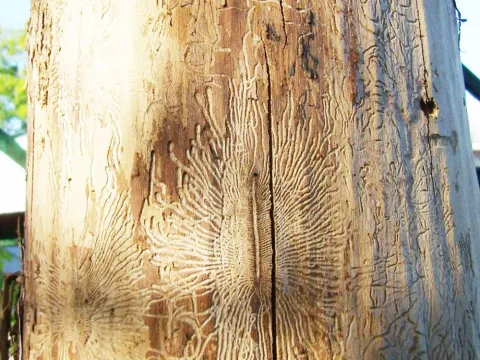
Close inspection of the trunk or larger branches often reveals galleries created by bark beetles, indicating the site of infection or larval development.
The spread of the disease is heavily dependent on the activity of bark beetles, which is favored by warm weather and the availability of suitable breeding material in dead or stressed wood.
Drought-stressed trees are more susceptible to colonization, as their internal pressure and defense mechanisms may be compromised.
In dense stands, the fungus easily spreads via natural root grafts, where roots of adjacent trees fuse and allow the pathogen to move underground directly between trees.
Humid conditions are conducive to the growth and reproduction of the fungus within the vascular system, facilitating rapid systemic colonization.
Urban environments with poor soil conditions and mechanical damage to trees often act as hotspots for the disease due to the reduced vigor of the host trees.
Dutch elm disease has caused catastrophic losses to elm populations globally, permanently altering the landscape of many cities and forests.
The death of large, mature elms creates significant aesthetic and economic impacts, as these trees often serve as key components of urban streetscapes and parks.
Beyond the loss of individual trees, the disease forces municipalities to spend large sums on the removal and disposal of infected, potentially hazardous timber.
The loss of canopy cover contributes to increased urban heat island effects and a reduction in the ecosystem services provided by mature trees.
Extensive mortality can disrupt local wildlife habitats, leading to long-term changes in the ecological balance of affected forest areas.
Effective management requires an integrated approach starting with the early detection and immediate removal of infected trees to eliminate the source of spores.
Sanitation is paramount, involving the debarking or burning of dead elm wood to prevent the breeding of bark beetles, which are the main carriers.
In high-value ornamental trees, therapeutic injections of systemic fungicides can be used to prevent the development of the fungus within the vascular system.
Trenching around infected trees is a standard practice used to sever root connections, effectively preventing the underground spread of the fungus to neighboring trees.
- Planting resistant elm cultivars to replace lost populations.
- Applying insecticides to the bark to deter beetle colonization.
- Regular irrigation and fertilization to maintain optimal tree health and resilience.