
Discula
Discula
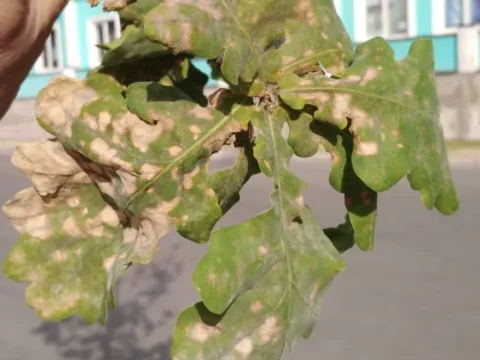
The first signs of Discula infection typically appear as small, tan or grey spots on the leaves. These spots often expand over time and may develop dark, distinct margins as the fungus colonizes the leaf tissue.
What the section contains
Discula
On the undersides of the affected leaves, microscopic fruiting bodies known as acervuli develop within the center of the lesions. Under humid conditions, these produce spores that emerge as pale or pinkish masses, easily dispersed by wind and splashing rain.
Infection on twigs and branches manifests as sunken cankers or necrotic strips. When these cankers girdle a stem, they interrupt the flow of nutrients and water, causing the distal parts of the branch to wither and die.
Heavy infections lead to premature leaf drop, which weakens the plant significantly as it heads into dormancy. Infected fruits may become misshapen, develop small pitted spots, and eventually suffer from secondary rot.
In advanced cases, bark cracking may occur, exposing the underlying wood to further infections. The overall appearance of the plant becomes sparse and stunted, with clear signs of decline and reduced vigor.
The causal agents of the disease are fungi belonging to the genus Discula, categorized within the Coelomycetes class. These pathogens are specialized plant parasites that derive nutrition from the host's cellular tissues.
The life cycle involves asexual reproduction through conidia formed within the acervuli. These spores are highly resilient and capable of surviving in dead plant tissue or dormant bark during unfavorable seasons.
Discula pathogens demonstrate a broad host range, infecting various deciduous trees and shrub species. They are particularly known for causing significant damage to orchard trees and nursery stock across various climates.
The fungus overwinters as mycelium in infected twigs or leaf litter. When environmental conditions turn favorable in the spring, the fungus reactivates and produces new spores to initiate the season's infection cycle.
Dispersal occurs primarily via rain splashes and heavy dew. Insects and contaminated pruning tools also play a major role in moving spores from infected zones to healthy portions of the garden or plantation.
Prolonged high humidity is the primary driver for Discula development. Wet, cool springs provide the necessary conditions for fungal spores to germinate and penetrate young, susceptible tissues.
Planting density is a crucial factor; crowded plants impede airflow, which prevents leaves from drying out quickly after rain. This sustained moisture on the leaf surface encourages rapid fungal growth.
Plants under stress—due to drought, nutrient deficiency, or poor soil quality—exhibit weakened immune systems. These vulnerable specimens are much more likely to succumb to Discula infections compared to well-tended ones.
The optimal temperature range for the pathogen's growth is between 15°C and 22°C (59°F–72°F). During this period, the fungus exhibits maximum activity, leading to mass infection of newly developing leaves and buds.
Debris such as fallen leaves and dead twigs acts as a reservoir for the fungus. Failing to clear these materials from the garden floor ensures a high inoculum load for the following year.
Discula disease causes substantial damage to plant productivity by reducing the total photosynthetic area. A diminished canopy leads to lower fruit yields and overall loss of plant vitality.
Chronic infection results in the gradual dieback of branches, which can eventually lead to the loss of the entire tree. Severely affected trees lose their winter hardiness and become prone to secondary pest attacks.
Disruption of the vascular system via cankers limits the tree's ability to transport essential resources. This is particularly lethal for young saplings that have not yet established a strong root system.
Economic impacts include the high cost of fungicide applications and the potential loss of harvest quality. For nurseries, this disease is a significant concern that can lead to strict quarantine regulations.
Bark lesions often serve as entry points for more aggressive bacterial and fungal pathogens, which can accelerate the decline of older, otherwise healthy trees in a landscape.
The cornerstone of management is rigorous sanitation. All infected branches must be pruned well into the healthy wood, and all fallen leaves must be gathered and destroyed or removed from the site to minimize inoculum.
Early-season applications of copper-based fungicides are highly effective at suppressing spore production before the growing season starts. Protecting the buds as they begin to break is a vital defensive step.
During the growing season, systemic fungicides can be used if symptoms appear. It is essential to rotate different chemical classes to prevent the fungal population from developing resistance to any single product.
- Maintain good canopy airflow through regular pruning.
- Provide balanced fertilization to keep the plant vigorous and resistant.
- Always sterilize pruning tools between plants to prevent spread.
- Select resistant cultivars when planning new landscape installations.
Irrigation methods should target the root zone rather than overhead watering to keep the foliage dry. Consistent good horticultural practices are the best long-term strategy for keeping Discula under control.