
Diversispora
Diversispora
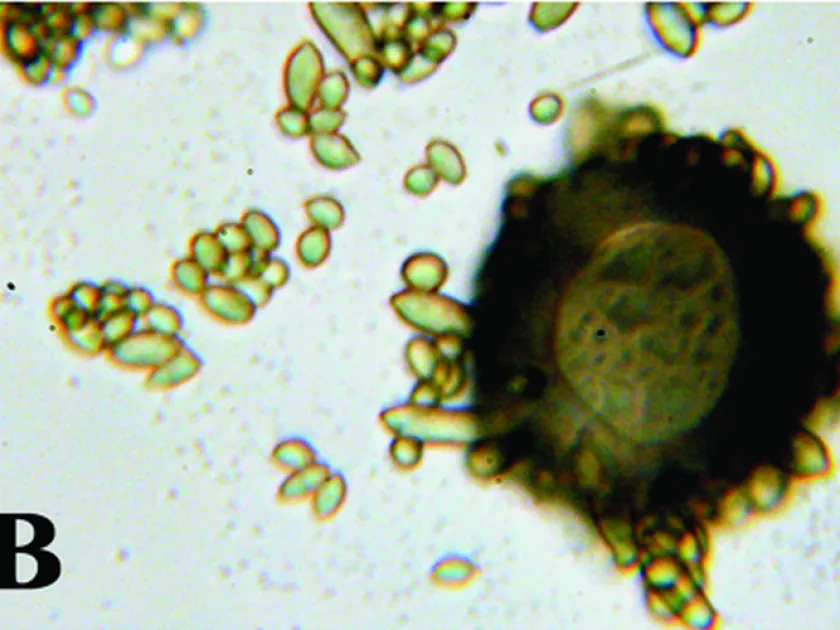
Description
Symptoms
Plants affected by an imbalance caused by Diversispora often exhibit stunted growth early in the growing season. This is frequently mistaken for general nutrient deficiency or environmental stress.
A key symptom is the reduced capacity of the root system to support the plant. Roots may appear slightly discolored and lack the healthy white tips indicative of vigorous, actively growing plant tissue.
Above-ground, plants may show chlorosis (yellowing) of the leaves and premature wilting, especially under water-stressed conditions, as the root system fails to adequately supply the canopy with moisture.
In field settings, the disease manifests as patches of uneven growth. These areas may appear in circular or irregular patterns, reflecting the distribution of spores within the soil profile.
Severely colonized roots often show structural degradation, becoming brittle and susceptible to secondary infections by opportunist soil-borne pathogens like Fusarium or Rhizoctonia.
Pathogen
The genus Diversispora belongs to the phylum Glomeromycota. These fungi are primarily known as arbuscular mycorrhizal fungi (AMF) that live in symbiotic relationships with plant roots, though they can occasionally affect plant vigor.
Unlike necrotrophic pathogens, Diversispora organisms colonize the cortical cells of roots. They form specialized structures called arbuscules, which are the sites of nutrient exchange between the fungus and the host plant.
Taxonomically, the genus has been revised, and many species previously classified under the Glomus genus are now identified as Diversispora. Their biological life cycle involves the production of large, resilient spores in the soil.
The infection process begins when fungal hyphae from germinating spores penetrate the root surface. While these fungi are essential for phosphorus uptake in many ecosystems, excessive colonization can disrupt plant physiology.
Detection of these fungi typically requires molecular methods or microscopic identification of the distinctively shaped spores found in soil samples or within cleared root tissues.
Conditions for development
Diversispora activity is strongly influenced by soil chemistry and moisture levels. They thrive in well-aerated soils with moderate moisture, but excessive irrigation can promote rapid spore germination.
Soil pH plays a critical role in the colonization success of these fungi. Neutral to slightly alkaline environments are generally preferred, facilitating the rapid expansion of hyphal networks throughout the rhizosphere.
The availability of soil phosphorus dictates whether the fungus acts as a mutualist or a parasite. High levels of available phosphorus can lead the plant to restrict fungal growth, causing the fungus to become a carbon sink rather than a source of nutrients.
Continuous monocropping facilitates the accumulation of Diversispora spores in the field. Over time, this leads to an increased infection pressure that becomes difficult to manage with standard rotations.
Climatic factors, specifically soil temperature, significantly affect spore development. Warm soils in the range of 20°C to 25°C accelerate the reproductive cycle of the fungus, leading to a higher population density.
Why it matters
The primary harm caused by Diversispora is the reduction in net primary productivity of the crop. When the balance between the fungus and the plant is shifted, the host incurs a high energy cost without receiving sufficient benefits.
Economic damage is observed through significant reductions in yield quantity and quality. Harvested produce may show lower weights and diminished nutritional value, impacting the final market value of the crop.
Weakened plants are far less resilient to environmental stressors. Drought, heat, and cold temperatures cause more severe damage to infected plants compared to those with a healthy, balanced microbial community.
The longevity of fungal spores in the soil ensures that the field remains an inoculum reservoir. This presents a long-term challenge for producers, requiring careful management of succeeding crops.
Furthermore, the presence of these fungi can disrupt standard soil fertility programs, as the plants fail to respond effectively to traditional mineral fertilization practices due to compromised root health.
Protection
Integrated management is essential to control Diversispora influence. Maintaining soil structure and health through the regular addition of organic amendments can foster a diverse microbial community that suppresses pathogen dominance.
Crop rotation remains the most effective prophylactic measure. Including non-host crops, such as specific brassicas or other non-mycorrhizal plants, helps break the fungal life cycle and reduces spore populations.
Seed treatments using broad-spectrum fungicides can provide a protective barrier for emerging roots, preventing the initial establishment of the fungus during the critical early growth stages.
Monitoring phosphorus levels is crucial. By adjusting fertilizer applications to prevent luxury consumption or excessive buildup, farmers can maintain the beneficial symbiosis and prevent the fungus from becoming a stressor.
- Implement precision drainage to prevent waterlogging and reduce spore spread.
- Use of antagonistic biological agents like Trichoderma species to balance soil flora.
- Ensure equipment is cleaned between fields to prevent the transfer of contaminated soil.
Discussion
No discussions yet — be the first.