
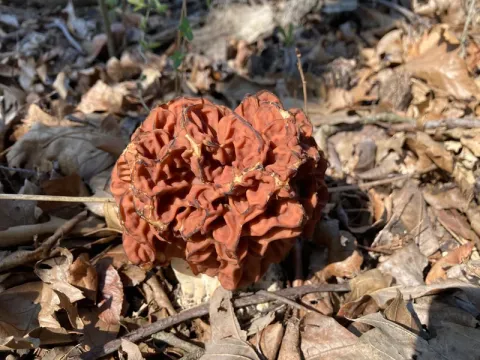
Discinaceae
Discinaceae
The Discinaceae family is a group of fungi within the Ascomycota phylum. They are widely recognized for their distinct cup-shaped or brain-like fruiting bodies.
What the section contains
Discinaceae
These organisms are not agricultural pathogens in the traditional sense, as they do not infect crops. However, they are vital decomposers in woodland ecosystems.
The genus Gyromitra is the most famous member of this family. Their life cycle is characterized by a saprotrophic phase where they feed on decaying organic matter.
Their reproductive strategy involves the release of massive quantities of spores from their hymenium. This ensures the wide distribution of the species across forest environments.
Genetically, Discinaceae are adapted to process complex forest waste, playing a crucial role in nutrient cycling in natural soil formations.
These fungi thrive in environments with high organic content, particularly in forest leaf litter. They favor cool, damp conditions typical of spring.
Temperature range is critical, as they prefer temperatures between 5 and 15 degrees Celsius. They are rarely active during the heat of summer months.
Soil moisture levels must remain consistent to support the development of their complex fruiting structures. Excessive drought can lead to the dormancy of the mycelium.
Coniferous forests provide the ideal microclimate for the propagation of the Discinaceae family. The presence of decaying pine or spruce needles is an essential substrate.
Micro-topography, such as depressions where snow melts slowly, often serves as a focal point for their initial seasonal development.
The primary concern regarding Discinaceae is their toxicity. Many species contain gyromitrin, which can cause severe health issues if ingested by livestock.
Although they do not act as plant pathogens, their presence in feed supplies or contaminated pasture land poses a significant risk to animal husbandry.
There is no direct negative impact on crop yield, but the contamination of farm-to-table products with fungal toxins is a serious regulatory issue.
Toxins produced by these fungi are thermostable and do not degrade easily during common feed processing techniques. This makes them persistent contaminants.
The ecological harm is minimal, as they are part of the native flora, but they require careful management near areas designated for animal grazing.
Sanitation practices are the best defense. Removing forest debris and leaf litter from the perimeter of agricultural land prevents the buildup of these fungi.
Manual removal of fruiting bodies before they release spores can help manage the population density in areas near farm operations.
Deep plowing of land surrounding woodland borders can disrupt the subsurface mycelium, significantly reducing the chances of recurring growth.
Avoiding the use of untreated forest humus in horticultural or nursery substrates is essential. This prevents the intentional introduction of Discinaceae into managed zones.
Regular monitoring of pasture areas during the early spring allows for early detection. Fencing off suspicious areas protects livestock from potential accidental ingestion.