
Discocainia
Discocainia
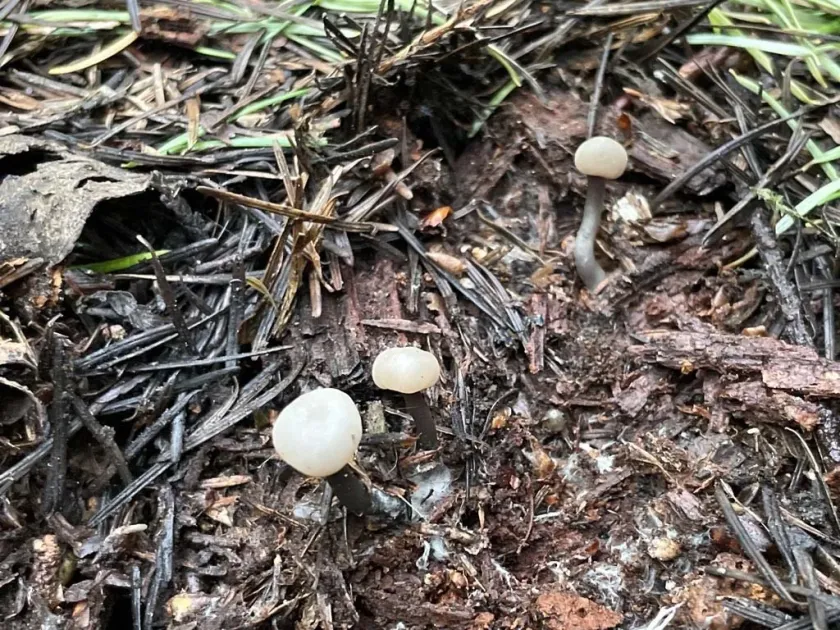
Description
Symptoms
The hallmark sign of a Discocainia infection is the development of necrotic lesions on the bark. These lesions often expand, eventually girdling the affected branches.
Small, disc-shaped, or cup-shaped fruiting bodies (apothecia) often emerge from the cracks in the bark of infected twigs, serving as a reliable diagnostic feature.
Foliage symptoms include yellowing, browning, and eventual premature drop of needles or leaves distal to the site of the infection on the branch.
Severe infections manifest as sunken cankers on stems or main branches. Over time, these areas may become brittle and cause the branch to snap under mechanical stress.
The underlying wood beneath the infected bark may show signs of discoloration or resin flow, depending on the host species and the severity of the colonization.
Pathogen
The fungus Discocainia (often associated with Ascocalyx complexes) is a pathogen that primarily targets woody plant species. It belongs to the ascomycete group of fungi.
The fungus functions as a parasite, infecting host tissues through bark wounds, natural lenticels, or even small frost cracks on stems and twigs.
Once established, the mycelium penetrates deeper into the cambium and wood, disrupting nutrient transport and causing localized tissue death.
Reproduction occurs through the release of spores, which are disseminated by wind or splashing rain, allowing the disease to spread to nearby healthy host plants.
Molecular identification of Discocainia often requires specialized diagnostic laboratory procedures due to the morphological similarity with other bark-infecting pathogens.
Conditions for development
The disease thrives in environments characterized by prolonged periods of high humidity and cool to moderate temperatures, which are necessary for spore germination.
Plants under physiological stress—due to drought, poor soil quality, or mechanical damage—are significantly more susceptible to successful fungal colonization.
Poor air circulation within the plant canopy, caused by dense planting or lack of proper pruning, creates a localized microclimate that fosters disease progression.
Rainy spring and autumn seasons provide the wetness required for the fungus to spread effectively across the bark surfaces of vulnerable trees.
Frost damage during the winter can create entry points for the pathogen, allowing it to become active as soon as temperatures rise in the early spring.
Why it matters
The primary damage caused by Discocainia is the restriction of sap flow due to stem girdling, which leads to the eventual death of affected branches.
In nurseries and forest plantations, the disease can lead to significant economic losses by reducing the quality and viability of the planting stock.
The chronic nature of the infection means that an untreated plant becomes a permanent source of inoculum, endangering other plants in the immediate vicinity.
If the main stem of a young plant is infected, the entire tree can perish rapidly, making early detection critical for survival.
Reduced vigor due to persistent fungal attack leaves the plant highly vulnerable to secondary infestations by boring insects or opportunistic opportunistic rot-causing fungi.
Protection
Management starts with the rigorous pruning of all infected twigs and branches, ensuring that cuts are made well into healthy, disease-free tissue.
Sanitation is paramount; all pruned material should be destroyed on-site or disposed of in a way that prevents spore dispersal to healthy trees.
Copper-based fungicide applications during the dormant or early growth season can help protect healthy plant tissues from new infections.
Promoting overall plant health through balanced nutrition and proper watering schedules helps the plant develop a stronger defense against potential fungal attacks.
- Sanitize pruning tools after every cut.
- Improve canopy ventilation through thinning.
- Monitor bark surfaces regularly for lesions.
- Maintain adequate spacing during planting.
Discussion
No discussions yet — be the first.